Table of Contents
- Introduction
- Why People Are Moving to Idaho (Especially Boise and the Treasure Valley)
- Where People Actually Move in Idaho: Boise, Meridian, Nampa, Eagle, and Kuna
- Idaho Housing Market Forecast 2026: Boise Area Home Prices and Trends
- Jobs, Income, and Major Employers in Boise and Across Idaho
- Weather in Idaho: What Winters and Summers Are Really Like in Boise
- Schools, Family Life, and Communities in the Boise Metro Area
- Is Idaho Right for You? Who Thrives in Boise and Who May Not
- Practical Tips for Moving to Boise, Idaho and Surrounding Cities
- Moving to Idaho Checklist: Step-by-Step Guide for 2026 Relocation
- FAQs
- Final Thoughts
Introduction
If you are seriously thinking about moving to Idaho in 2026, there are a few realities to understand before you pack the truck. Idaho still feels small-town friendly in many pockets while growing quickly in others. The state offers outdoor access, lower day-to-day costs than some West Coast areas, and neighborhoods that feel safe and family oriented. But it also has changing housing dynamics, pockets of traffic, and wage levels that don’t always match housing costs. Knowing both sides will help you make a smart, sustainable move.
VIEW HOMES FOR SALE IN THE GREATER IDAHO AREA
Why People Are Moving to Idaho (Especially Boise and the Treasure Valley)
Three big reasons keep showing up when people choose moving to Idaho: a slower pace of life, outdoor access, and affordability compared to places like California, Oregon, and Washington. Many folks chase the idea of cleaner air, shorter commutes in some areas, friendly neighborhoods, and room to breathe.
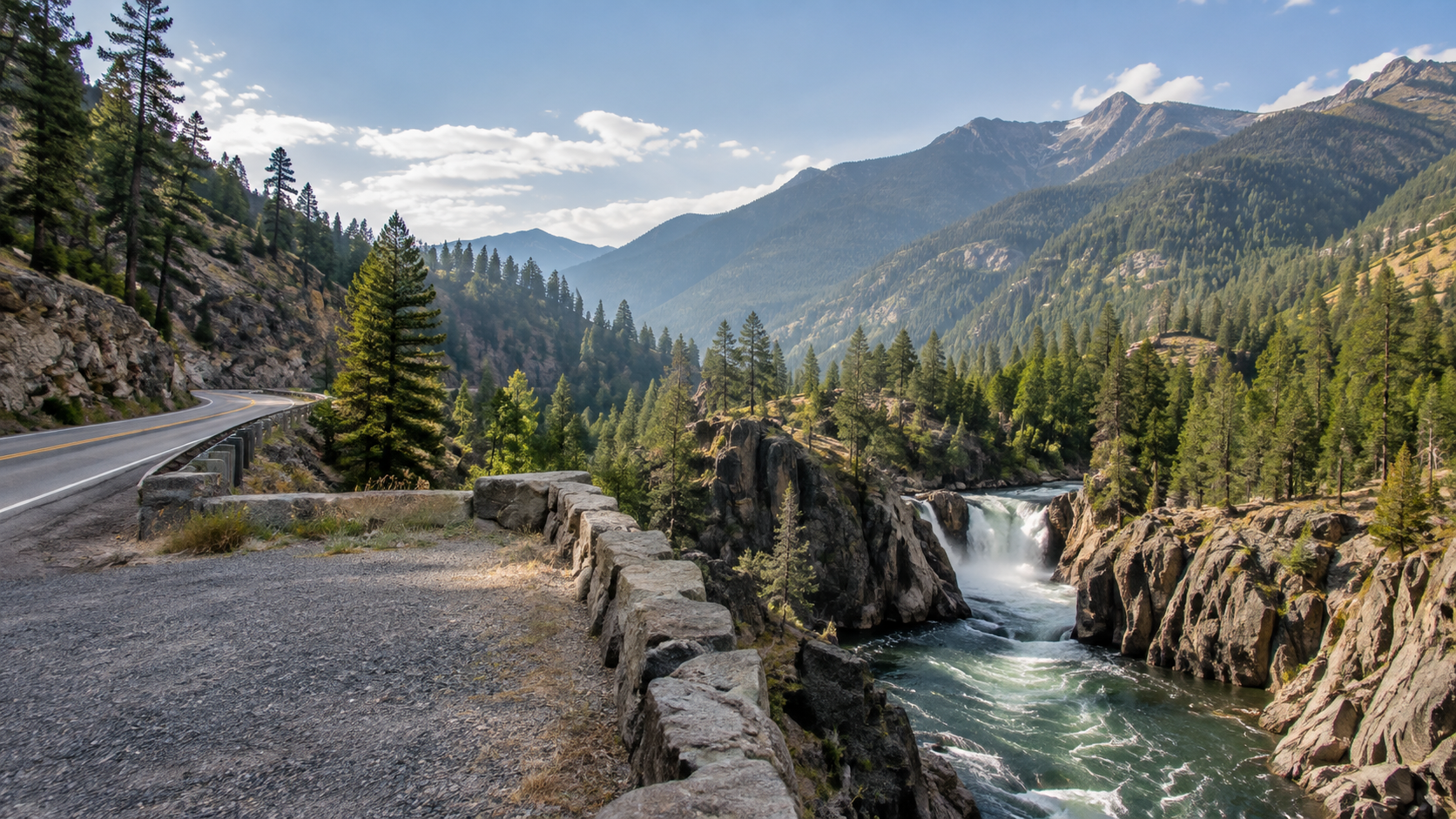
Outdoor recreation is huge. You can snowboard and hit a lake in the same year. Families find fishing, hiking, camping, and boating become regular weekend activities. That lifestyle alone is a main draw when people consider moving to Idaho.
Affordability is relative, but important. Outside of the housing market in high-demand cities, utilities, property tax structure, and overall cost of living are attractive. Idaho offers low income taxes and a homeowner exemption that can lower property taxes substantially for many buyers. For families who want kids to grow up somewhere safe with outdoor options, moving to Idaho is often a top choice.
Where People Actually Move in Idaho: Boise, Meridian, Nampa, Eagle, and Kuna
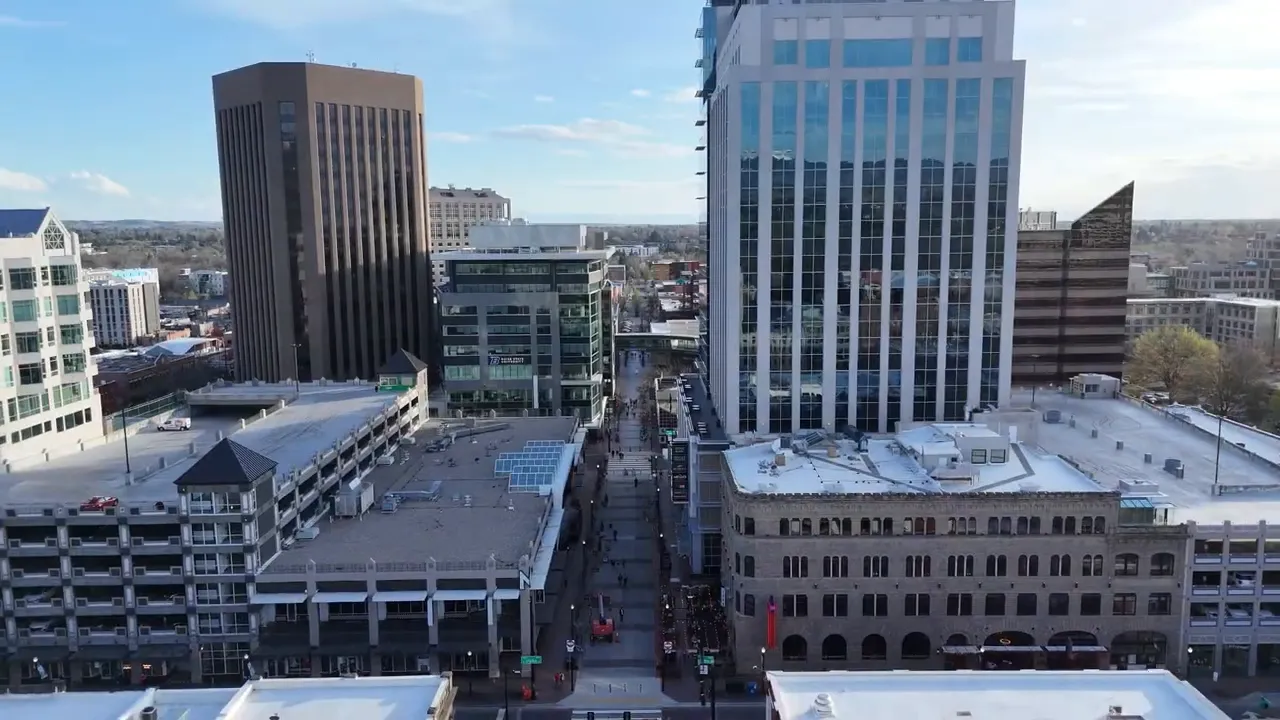
Most people asking about moving to Idaho concentrate on the Boise area and its suburbs. Boise is the cultural and economic center for a large portion of newcomers, but the surrounding cities—Meridian, Nampa, Eagle, Kuna—are where families often land for more space and different price points.
Quick breakdown of popular areas:
- Boise: The downtown and lifestyle hub—restaurants, bars, cultural events, and close access to outdoor spots like Lucky Peak and Bogus Basin.
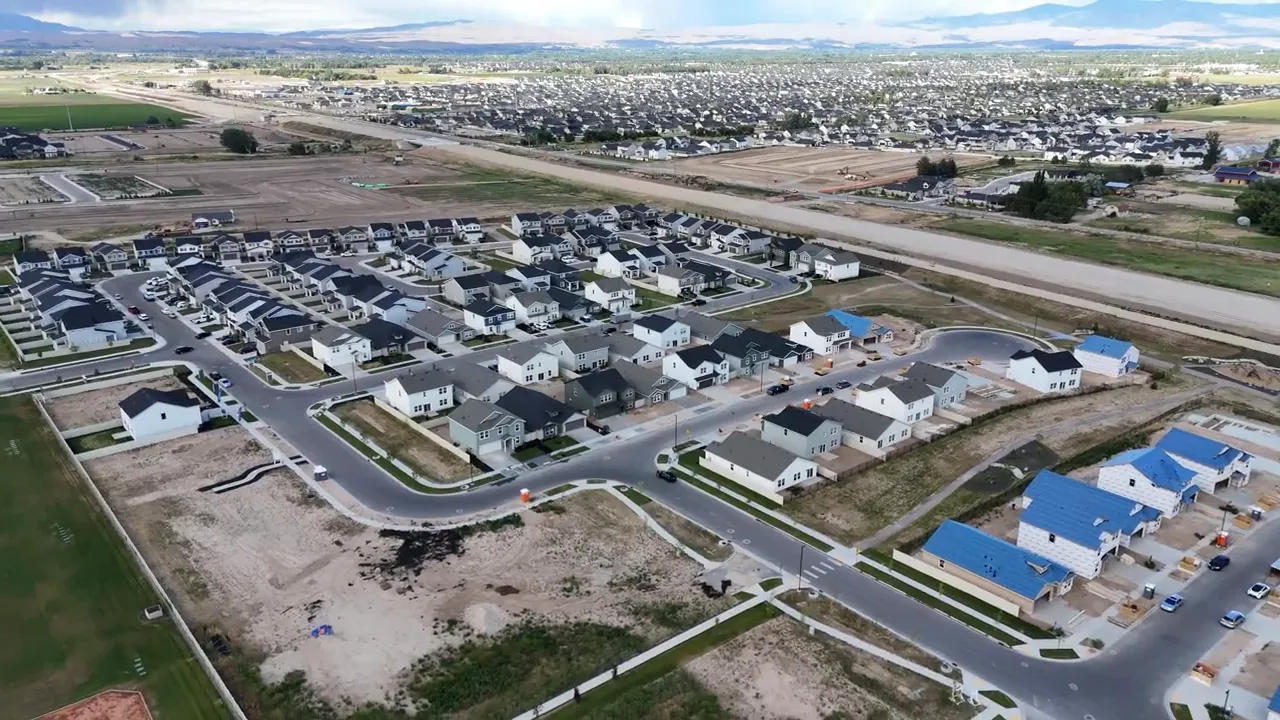
- Meridian: Family-focused with highly rated schools and lots of new development.
- Eagle: Upscale and semi-rural; more expensive but great for land and luxury living.
- Nampa and Kuna: More affordable and stretched between country feel and growing suburban amenities.
Population perspective: Boise proper is under 250,000 people, Meridian is growing but still smaller than many expect, and Eagle is a small, upscale community. That combination keeps the region feeling accessible while still scaling quickly with newcomers.
Idaho Housing Market Forecast 2026: Boise Area Home Prices and Trends
When planning a move to Idaho in 2026, expect the housing market to feel different than a few years ago. The frantic bidding wars have cooled, but pricing still matters. In Boise and Meridian, median home prices have been observed in the roughly $500,000 to $600,000 range and may continue to trend upward.
A few important points:
- New construction is competitive. Many builders price effectively against resale homes and offer incentives: interest-rate buy downs, covered closing costs, landscaping, appliances, and window coverings.
- Bring representation. Sales teams at model homes represent the builder. Always have an agent who protects your interests when looking at new builds.
- Pricing sensitivity. Buyers are researching more—Zillow, Realtor, local comps—so the market rewards realistic pricing.
Expect the first quarter of the year to feel slower, with activity picking up by late winter or early spring. If transaction volume increases (estimates around a 15% rise in transactions), buyers may see faster-moving inventory and stiffer competition depending on interest rate conditions.
Jobs, Income, and Major Employers in Boise and Across Idaho
Job prospects matter when you are moving to Idaho. Wages in Idaho generally lag behind high-cost states. That does not mean opportunities are scarce, but it means many newcomers are remote workers or bring mobile jobs that don’t depend on Idaho’s local wage levels.
Industries hiring and paying well include:
- Medical and healthcare: Expanding hospitals and clinics need professionals.
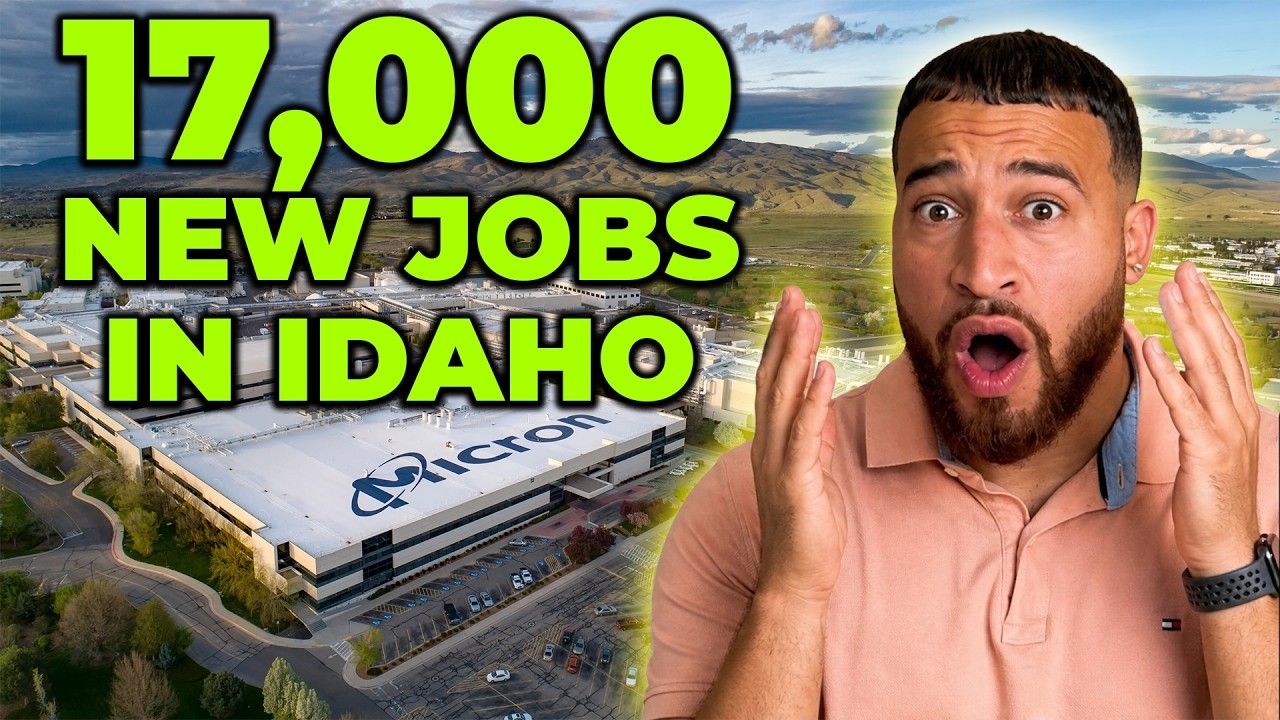
- Technology: Micron is a massive presence, and other IT firms (including a Meta presence near Nampa) provide growing tech roles.
- Construction and retail: Both are busy—construction because the region is building fast; retail because new residents need services and stores.
If your job is location flexible, moving to Idaho can make financial sense. If you need a specific local salary, weigh the salary with housing and living expectations before committing.
Weather in Idaho: What Winters and Summers Are Really Like in Boise
Weather is a decisive factor for many thinking about moving to Idaho. The region gets four seasons—colder winters and hot, dry summers—but they are not extreme across the board.
What to expect:
- Winter: You will see snow some years and milder winters in others. Temperatures can dip into the 20s, but winter severity varies. Some winters have light snowfall; others bring more. If you dislike any cold at all, double-check local averages for the area you plan to move to.
- Summer: Hot but typically dry. Temperatures sometimes hit triple digits, but humidity is usually low. Expect occasional spikes into the low 100s in heat waves.
If your ideal climate is 70 degrees year-round, moving to Idaho is likely the wrong fit. But if you enjoy four seasons and outdoor variety, Idaho delivers.
Schools, Family Life, and Communities in the Boise Metro Area
Families often choose moving to Idaho for the schools and perceived safety. West Ada School District is commonly mentioned as a top draw for families, and there are strong high schools across the metro area. Boise also has its own district with solid options.
Options extend beyond public schools:
- Private schools and charter schools provide alternatives for many families.
- Homeschooling is more popular than some expect; parents choose it for curriculum control and values alignment.
Community atmosphere tends to be family-centric: parks, weekend outdoor activities, and neighborhood events. If kids and a slower pace matter, many feel moving to Idaho offers a high quality of life.
Is Idaho Right for You? Who Thrives in Boise and Who May Not
Idaho is a great fit if you want a calmer lifestyle, room for kids to play outside, and access to outdoor recreation. It is also a strong option for entrepreneurs and people starting new businesses inside a growing regional economy.
Idaho is likely not a fit if:
- You expect coastal-style wages to match very high housing costs.
- You need year-round warm weather and hate cold seasons.
- You want extremely dense urban living with millions of neighbors and endless public transit options.
Practical Tips for Moving to Boise, Idaho and Surrounding Cities
Practical guidance will make your move to Idaho smoother. Here are actions that provide the most impact.
- Get a local realtor early. Whether you pursue resale or new construction, hire an agent who represents you—not the builder.
- Research neighborhoods. Visit during different times: weekday rush hour, a weekend, and in a season you expect to live through.
- Understand taxes and exemptions. Idaho’s homeowner exemption can reduce property taxes substantially—factor that into your budget.
- Check commute times. Peak traffic windows can be 7:00–9:00 a.m. and about 3:30–5:30 p.m. Plan routes before choosing a neighborhood.
- Consider new construction incentives. Builders can offer rate buy downs and paid closing costs—these can be meaningful savings if negotiated with your agent’s help.
VIEW HOMES FOR SALE IN THE GREATER IDAHO AREA
Moving to Idaho Checklist: Step-by-Step Guide for 2026 Relocation
A compact checklist for anyone moving to Idaho in 2026:
- Decide your top 3 priorities: schools, commute, lifestyle (outdoor, dining, culture).
- Set a realistic budget including property tax exemptions and utility differences.
- Interview local realtors before touring homes; ask for references and recent client results.
- Tour homes and new builds in person. Bring a builder-savvy agent if you look at model homes.
- Time your move around market seasons; late winter is often quieter, spring picks up activity.
FAQs
How expensive is it to buy a home when moving to Idaho?
Prices vary by area. Boise and Meridian have shown median ranges in the low to mid hundreds of thousands into the $500,000 to $600,000 band in recent years. New construction can be competitive and include incentives that make the effective cost lower. Always compare resale and builder offers and bring a buyer agent who negotiates on your behalf.
Are jobs available if I move to Idaho without a remote job?
Yes, but wages in Idaho tend to be lower than coastal high-cost markets. Healthcare and technology are two growing sectors hiring well. Construction and retail are also busy. If you depend on a high local salary, research industry-specific pay scales for the region you plan to join.
How bad are the winters after moving to Idaho?
Winters are variable. Some years bring more snow, others are milder. You ’ll experience cold months with occasional sub-30-degree nights and snowy days, but severe winter conditions like a northern mountain state are localized. If you dislike any winter at all, consider the local averages for your chosen city.
Should I use the builder’s agent when buying new construction?
No. Builder agents represent the builder and will prioritize the builder’s interests. Always have your own buyer’s agent to ensure you get the best terms, accurate upgrades pricing, and protection during closing.
Is moving to Idaho a good choice for families?
For many families, yes. Strong school districts, family-friendly neighborhoods, and abundant outdoor activities make Idaho attractive for raising kids. If schools are your top priority, research districts like West Ada and specific high schools to match your family’s needs.
Final Thoughts
Moving to Idaho in 2026 remains a compelling option for people who want nature at their doorstep, family-friendly communities, and relative affordability compared to West Coast metros. It is essential to balance the allure of lower costs with realistic expectations about wages, housing competition in growth corridors, and seasonal weather.
If you plan the move carefully, hire local representation, call or text us at (208) 996-3142. Tour target neighborhoods, and build a realistic budget. You will find Idaho a place where many people raise families, launch businesses, and enjoy a quality of life that’s hard to beat. Ready to take the next step? Get a free relocation guide and a personalized consultation!
READ MORE: Boise Winter Guide: Snow, Safety Tips, and Neighborhood Secrets