Table of Contents
- Mountain Home, Idaho Real Estate
- Military Community and Support in Mountain Home, Idaho
- Traffic, Crime, and Population Insights for Mountain Home Living
- Outdoor Recreation and Four-Season Activities in Mountain Home, Idaho
- Cost of Living, Taxes, and Commute Realities in Mountain Home
- Amenities, Shopping, and Restaurants in Mountain Home, Idaho
- Schools, Jobs, and Local Economy in Mountain Home
- New Construction Homes and Builders in Mountain Home, Idaho
- PCS Moves and Best Times to Buy in Mountain Home
- Silverstone North Neighborhood: Homes for Sale and Features
- Frequently Asked Questions About Living in Mountain Home, Idaho
- Final Thoughts
Mountain Home, Idaho Real Estate
Mountain Home Idaho offers a different housing reality than nearby Boise. If you're comparing suburbs and small towns in the Treasure Valley, one of the most immediate differences is price. The median price point around Mountain Home sits near $365,000, while Boise's median has been closer to $575,000. That gap can translate into roughly $200,000 of buying power for the same square footage, similar kitchen finishes, and comparable floor plans.
Homes here are largely new-construction products built to be affordable and practical. You will find similar layouts across neighborhoods—open kitchens, island counters, and three-bedroom footprints are common. That standardization is great for predictable costs and quick move-ins, but it also means fewer ultra-custom options unless you choose a semi-custom builder.
Military community and local support
Mountain Home has a tight-knit identity tied to Mountain Home Air Force Base. The base and town support one another with events, community programs, and local initiatives. That connection creates a social fabric that helps newcomers plug in quickly—neighbors are likely to be familiar faces from the base, local PTA, or even the grocery store.
If you are PCSing to Mountain Home AFB or relocating with military ties, this can be a major plus: built-in social circles, base-related hiring, and community events make it easier to settle in. The local realtor network is well-versed in military moves and the timing of orders, which helps when planning a purchase or rental.
Traffic, Crime, and Population Insights for Mountain Home Living
The population in and around Mountain Home is under 20,000. That scale means no typical metro rush hour gridlock. Commutes inside town are short, and access to I-84 is quick—most neighborhoods are roughly five minutes from the freeway.
Crime rates tend to reflect the small-town environment, typically lower than urban centers. Still, it's important to research local statistics for specific neighborhoods and school zones. What many families appreciate is the predictability: shorter drives to activities, fewer traffic delays, and an environment where people know their neighbors.
Outdoor Recreation and Four-Season Activities in Mountain Home, Idaho
Mountain Home sits conveniently between Boise and Twin Falls, putting many outdoor destinations within easy reach. Popular spots include the Sand Dunes, Box Canyon, Anderson Ranch Reservoir, and CJ Strike Reservoir. CJ Strike is especially busy in summer—boating, tubing, and fishing are local staples.
Winters bring four-season weather. Snowfall can vary dramatically year to year: some winters see heavy accumulation, others are relatively dry. The upside is proximity to winter recreation—most downhill skiing and snowboarding areas are about an hour away.
Cost of Living, Taxes, and Commute Realities in Mountain Home
One of the biggest reasons people are drawn to Mountain Home, Idaho is its relatively affordable cost of living. Compared to larger nearby cities like Boise, housing costs are noticeably lower, with median home values typically sitting below state and national averages. In fact, housing in Mountain Home can be around 15–20% cheaper than the U.S. average, making it an attractive option for buyers looking to stretch their budget further.
Beyond housing, everyday expenses like groceries, utilities, and healthcare remain fairly reasonable, often hovering close to or slightly below national averages. While some categories like transportation can be a bit higher, overall monthly costs are still manageable for most households. On average, a single person may spend around $2,000+ per month, while a family of four can expect closer to $4,500–$5,700 depending on lifestyle.
Another key factor that helps keep the cost of living in Mountain Home appealing is Idaho’s tax structure. Property taxes are relatively low, with an effective rate around 0.52%—significantly below the national average—helping homeowners save thousands over time. Combined with Idaho’s generally lower income tax rates compared to many other states, this can make a noticeable difference in overall affordability and long-term financial planning.
Overall, the cost of living in Mountain Home strikes a balance: it offers small-town affordability with access to essential amenities, making it a strong option for buyers, families, and retirees looking to reduce expenses without sacrificing quality of life.
Commuting to Boise is realistic for those who value city amenities but want small-town housing costs—it's roughly a 45-minute drive to Boise city limits once you're on I-84. The trade-off is your time. If you prioritize cheaper housing over a short commute, Mountain Home can be a smart choice.
Amenities, Shopping, and Restaurants in Mountain Home, Idaho
Mountain Home's retail landscape is compact. The big three grocery anchors are Walmart, Albertsons, and Grocery Outlet. For many residents, Walmart becomes the town's common gathering spot—the "Mall of Mountain Home." Fast-food chains like McDonald's, Jack in the Box, and several pizza chains exist, but national favorites like Chick-fil-A or In-N-Out are not present.
If a robust indoor scene—diverse restaurants, boutique shops, and cultural venues—is essential, plan for frequent trips to Boise. On the other hand, if outdoor recreation, local events, and a slower pace appeal to you, the town's limited commercial footprint will feel peaceful rather than lacking.
Schools, Jobs, and Local Economy in Mountain Home
The job market in Mountain Home is smaller and more specialized than Boise's. Many employment opportunities are connected to the base or local services. For spouses and non-military residents, commuting to Boise for work is a common choice—major hiring sectors in the region include technology, medical services, construction, and retail.
School ratings can vary; smaller districts often carry less funding than larger urban districts. Families should research specific schools and consider options like homeschooling or charter alternatives if public school rankings are a top priority.
New Construction Homes and Builders in Mountain Home, Idaho
When it comes to new homes in Mountain Home Idaho, most developments are built by a smaller group of local and regional builders. Two of the most recognized names you’ll see are Corey Barton Homes and Hubble Homes. These builders focus primarily on affordability and efficiency rather than high-end luxury, which plays a big role in keeping new construction accessible for first-time buyers, military families, and those relocating to the area. The trade-off, however, is that floor plans and design options can feel somewhat limited compared to larger metro markets.
One of the advantages of buying new homes in Mountain Home Idaho is the predictability that comes with these builders. Pricing tends to be more consistent, build timelines are often shorter, and communities are designed with practical, functional layouts in mind. Many neighborhoods feature modern essentials like open-concept living spaces, energy-efficient systems, and low-maintenance exteriors—features that appeal to buyers looking for move-in-ready homes without the hassle of renovations.
Hubble Homes, in particular, offers a semi-custom approach that gives buyers a bit more flexibility. Instead of building fully custom from scratch, you can choose from a selection of pre-designed floor plans and personalize key interior finishes. Options often include LVP flooring, cabinet styles and colors, countertops, and even exterior paint schemes. This allows buyers to add a personal touch while still staying within a more controlled budget.
Another benefit to exploring new homes in Mountain Home Idaho is the incentives that builders occasionally offer. Promotions like closing cost assistance, interest rate buy-downs, or upgraded finish packages can make a noticeable difference in your overall purchase cost—especially in a market where affordability is a major draw. For buyers who want a balance between customization, efficiency, and price, these semi-custom builds offer a practical middle ground between resale homes and fully custom construction.
Overall, new construction in Mountain Home is ideal for buyers who value simplicity, affordability, and modern features. While you may not find the same level of architectural variety as in larger cities, you’ll often gain peace of mind with a newer home, lower maintenance costs, and a streamlined buying process.
PCS Moves and Best Times to Buy in Mountain Home
Military PCSing creates predictable seasonal pressure on the market. During peak PCS windows, inventory tightens and competition rises. Conversely, winter months—generally November through early February—tend to have more motivated sellers and less competition. If timing is flexible, winter can be an advantageous time to buy.
Promotions from builders can include cash incentives or concessions. If using builder incentives, consider applying them to the purchase price or interest rate buy-downs rather than on-site appliance packages, which may be marked up.
Silverstone North Neighborhood: Homes for Sale and Features
Silverstone North is an example of a newer Mountain Home neighborhood that highlights what many buyers want: proximity to the base, a sense of community, and thoughtful standard finishes. Lots are sized for manageable yards, and many homes include fully fenced backyards—great for dogs and kids. Fencing in new neighborhoods removes a common post-move expense that can cost thousands.
Typical finishes you can expect in these Hubble Homes include quartz or granite counters, gas stoves with five-burner ranges, soft-close cabinets, and a one-year builder warranty that includes receipts and workmanship records. Floor plans often place the primary bedroom on the main level and provide a bonus room upstairs that can serve as a fourth bedroom with its own bathroom.
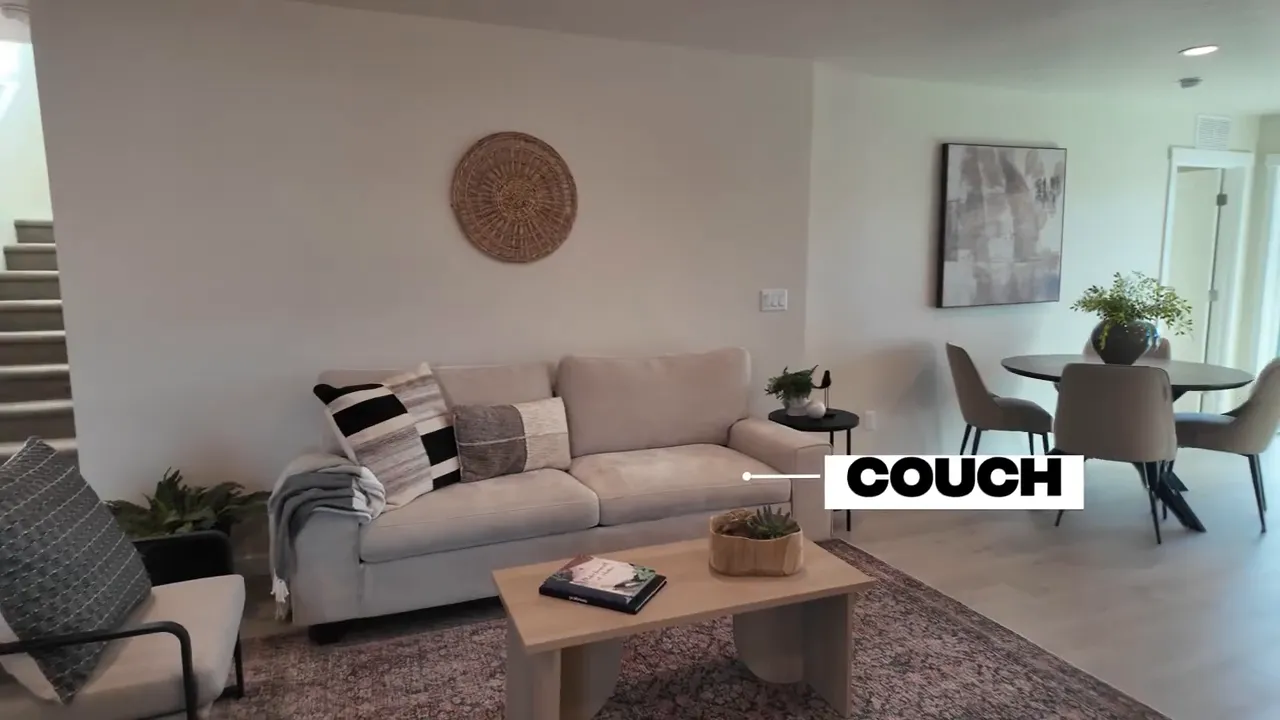
Practical touches like a mudroom, laundry counters, and water-softener plumbing are common. Garages are generally standard two-car designs. If you need customization—different flooring, layout tweaks, or upgraded finishes—semi-custom options are available on many lots.
Neighborhood life tends to form quickly. Small builder developments sold to military families often lead to block-level friendships, client appreciation events, and shared social groups. If community ties matter, these new neighborhoods can create that sense of belonging quite fast.
PCSing to Mountain Home AFB?
I specialize in military moves and Mountain Home relocations — timing, neighborhood fit, VA/relocation benefits, and quick-move-in options. I’d love to help plan your PCS and make the move easier.
Call or text Naseem Eissa, Realtor® (USAF Veteran): 208-996-3142 | Nas@TheEissagroup.com
Frequently Asked Questions About Living in Mountain Home, Idaho
Is Mountain Home Idaho a good place for military families?
Yes. The town is built around Mountain Home Air Force Base, so services, social networks, and employment tied to the base make it convenient. Community events and local support structures are designed with military families in mind.
How long is the commute from Mountain Home to Boise?
Typical drive time from town to Boise city limits is about 35 to 45 minutes, depending on your exact starting point and traffic. Access to Interstate 84 makes the trip straightforward.
Are there many shopping and dining options in Mountain Home?
The local retail scene is limited. Major grocery options include Walmart, Albertsons, and Grocery Outlet, and there are several fast-food chains. For a wider selection of restaurants and shops, many residents travel to Boise.
What builders should I consider in Mountain Home?
Corey Barton Homes and Hubble Homes are two frequent builders. Hubble typically offers semi-custom options and periodic incentives, while Cory Barton offers competitive quick-move-in models. Choose based on how much customization you want and whether timing or incentives matter most.
When is the best time to buy a house in Mountain Home?
Winter—November through early February—often brings more inventory and less competition, making it a favorable time to buy. Peak PCS seasons increase competition, so planning around PCS cycles can help you avoid bidding wars.
What outdoor activities are nearby?
Popular nearby options include CJ Strike Reservoir for boating and fishing, Sand Dunes and Box Canyon for off-road and exploration, and several reservoirs for water sports. Snow sports are about an hour away during winter.
Final Thoughts
Mountain Home Idaho is a practical choice when affordability, outdoor access, and a strong military-friendly community are priorities. The trade-offs are clear: fewer urban amenities, a smaller job market, and variable weather. For many families—especially those connected to the base—the benefits outweigh the drawbacks.
If you're deciding between Mountain Home and Boise, consider what you value most: saving hundreds of thousands on housing and enjoying a quieter life, or paying more for closer access to city amenities and a larger job market. Either path can be the right one; it just depends on timing, career needs, and lifestyle preferences.
Quick checklist for buyers considering Mountain Home Idaho
- Run a commute test: Drive the commute to Boise during the hours you would travel most often.
- Research schools: Look up school performance by specific attendance zones, not just district averages.
- Plan for seasonal weather: If you are not used to snow, consider vehicle and home prep costs.
- Ask builders for itemized incentives: Apply builder credits to purchase price or interest-rate buy-downs whenever possible.
- Factor in post-move costs: Fencing, water softening, and minor landscaping add up—check what comes included.
Mountain Home Idaho has a lot to offer for the right buyer. With careful planning and a clear list of priorities, it can be an affordable, community-rich place to call home.