If you are thinking about moving to Boise, you are probably excited about the quality of life, the outdoor access, and the feeling that the city is growing in a good way. That excitement is real. But so are the mistakes people make when they arrive without a plan.
Here are the top mistakes people run into when they relocate to the Boise Idaho area, and how to avoid them. These are the kinds of missteps that can cost you time, money, and stress, especially if you are coming from out of state or you are trying to buy a home quickly.
Table of Contents
- 1. Boise Regarded As The Main City That People Move To
- 2. Thinking Boise is Still a Low Cost Market
- 3. Underestimating the Growth that is Coming to Boise
- 4. Overlooking New Communities in The Boise Area
- 5. Differences on Wages Depending on Where You Come From
- 6. Not Visiting the Area Before You Decide to Move
- 7. 4 Season Weather
- 8. Not Connecting to a Professional Real Estate Agent
- 9. Overestimating the Distance Between Cities
- 10. Hesitating to Make the Move
- FAQs About Moving to Boise, Idaho
1. Boise Regarded As The Main City That People Move To
One of the most common mistakes is assuming Boise is the only option. Boise is the name people hear first, so it becomes the default. But the area is not just one place. It is a collection of cities and neighborhoods with very different lifestyles.
For example, if you want more of a suburban or family oriented vibe with lots of things to do, Meridian often fits that better. If you want a more rural feel, or you like the idea of being farther out while still having access to the metro area, places like Mountain Home or Emmett may align better with what you want day to day.
The point is simple. Do not treat Boise as your only choice. Treat it as your starting point. The Boise metro includes multiple cities where your daily routines, community events, and even your sense of space can be totally different.
Quick way to narrow it down
- Decide what matters most: downtown energy, family recreation, or a quieter lifestyle.
- Think about where you will spend your weekends and evenings, not just where you will commute.
- Use your non negotiables like recreation, schools, and proximity to the things you actually do.
2. Thinking Boise is Still a Low Cost Market
This one surprises people. Boise has changed. It is not what it was, and it is not a bargain market the way some cities in other regions still are.
Coming from places where home prices run $200,000 to $300,000, or from areas where housing is significantly cheaper like parts of Texas, the sticker shock can be real. Even so, Boise can still be affordable in other categories.
Utilities are among the cheapest in the country. And many everyday costs like groceries and gas can feel more manageable than people expect.
But on housing prices, you need to plan around the reality of where the market is today. In the Boise area, the median home price is around $650,000. Meridian is closer to around $600,000, and parts of Nampa can be in the low 400s to 500s.
That means your budget should be grounded in what is attainable. Not what you saw in an old article, not what a friend paid years ago, and not what your mind assumes when you hear the words Idaho.
Pro tip for buyers first time home advantages
There are ways to reduce the upfront burden. Idaho offers strong first time home buyer down payment assistance programs. Some buyers may be able to get into a home with as little as $500 down, depending on eligibility.
Also pay attention to property tax benefits. Homeowner exemptions can meaningfully lower property taxes for primary residences. For example, Idaho homeowners may receive a property tax exemption of $125,000 on assessed value when the home is your primary residence. In practical terms, that can translate into significant savings, often discussed in the range of 20% to 40% off property taxes.
3. Underestimating the Growth that is Coming to Boise
If you are moving to Boise with the mindset that it will stay the same, plan to adjust. Boise and the surrounding area are in a major growth phase, and it shows in everything from construction to new jobs to expanding communities.
Since 2018, Idaho growth has doubled, and it is on track to keep accelerating. There are multiple reasons people move here: outdoor recreation, a strong sense of quality of life, and broad opportunity.
Idaho was also voted the number two best city to live for quality of life. That matters because it is not just a marketing slogan. People feel it once they arrive.
And growth is spilling over into nearby cities. Meridian has grown quickly, rising from under 100,000 people to roughly 150,000. Boise is also well over 200,000 now. Nampa, Kuna, Eagle, and Star are all expanding fast too.
When growth ramps up, you will see more construction, wider roads, and more development. That is not automatically bad. It is just something you should plan for so it does not feel like chaos when it arrives.
4. Overlooking New Communities in The Boise Area
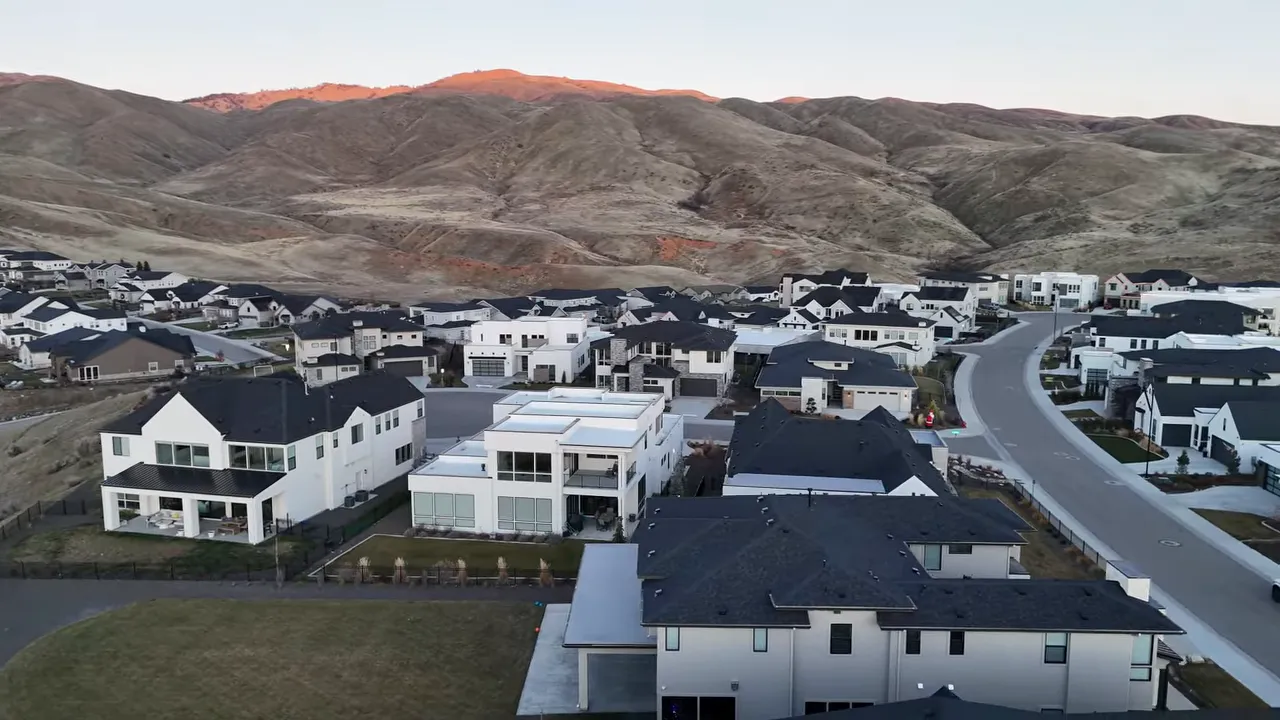
Growth naturally leads to new neighborhoods. A mistake many people make is assuming they are only choosing from older resale homes. In reality, new construction communities are huge here.
Master planned communities are built out from raw land to fully planned developments. Some popular examples include places like Dry Creek Ranch and Harris Ranch, with additional communities spreading across Southwest Boise, Southeast Boise, Meridian, and Nampa.
Housing inventory has been on the lower side. That means competition can happen, especially when a home is priced well and fits real buyer value.
In practical terms, some buyers have faced situations where they competed with two to three offers, depending on pricing and condition. The good news is that overpriced homes tend to sit longer. So you do not have to panic compete on every listing. But you do need to be ready when something is truly a good fit and feels like a deal.
What new construction often offers
- One year home warranties on many new builds, with typical coverage for workmanship and structural items.
- Community amenities that can include pools, pickleball courts, and clubhouses.
- The option to custom build in some areas instead of doing a resale purchase.
People relocating from Washington, California, New York, and Texas often choose new construction or custom builds because it fits a longer term plan. They are not just buying a house. They are building a “forever home.”
5. Differences on Wages Depending on Where You Come From
Buying a home is only one part of the equation. Earning power matters. Another major mistake in moving to Boise is not planning for job availability and wage differences based on where you are coming from.
The best case is moving with a job lined up. But not everyone has that luxury. Some people relocate and start job searching after they arrive, or they work remotely and avoid income changes altogether.
If you are job hunting, here are the industries that appear most often as growth drivers:
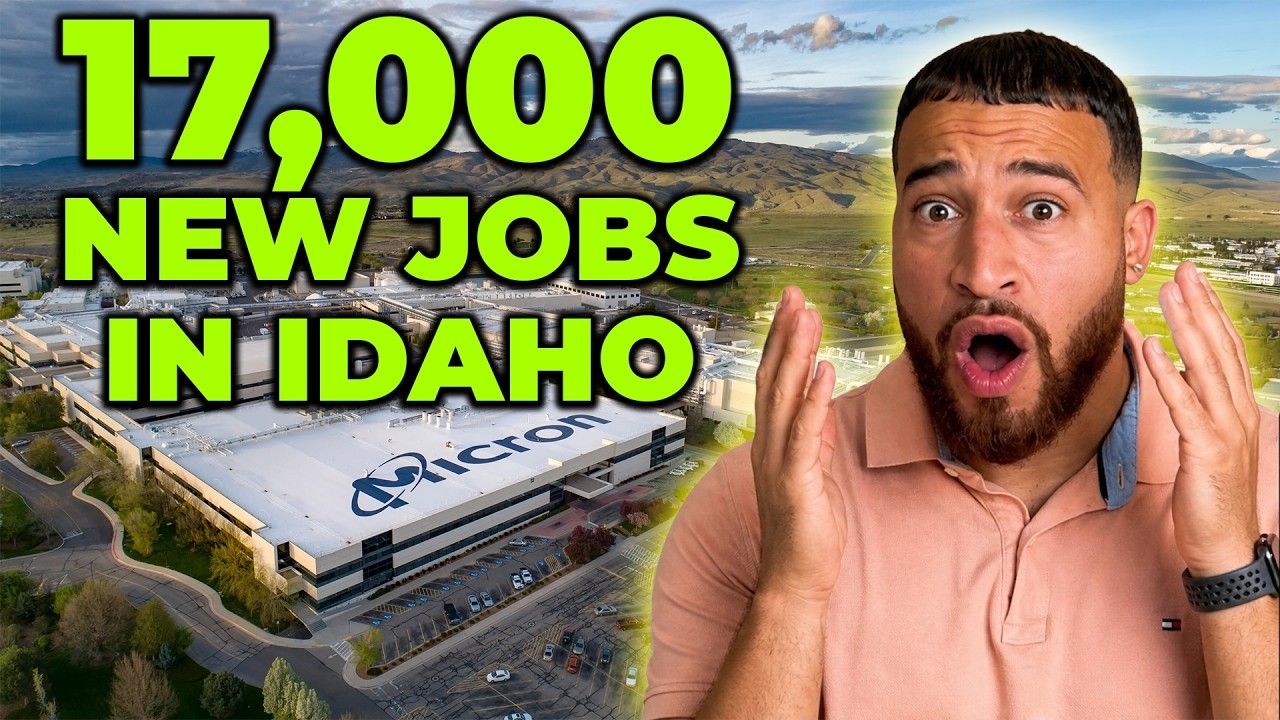
- Technology including companies such as Micron and major tech expansions.
- Healthcare and medical with large hospital systems like St. Luke’s and St. Alphonsus expanding with population needs.
- Construction and development since growth depends on the people building everything from infrastructure to homes.
Also consider that opportunity can show up through franchises and local businesses. New brands have come into the area over time, like Topgolf, In N Out, and Raising Canes. And the local scene keeps growing through farmer markets, events, and mom and pop shops that bring variety and community identity.
Before you move, make sure you have your occupation situation ready if you are not retired. Even a basic plan can reduce stress and prevent you from trying to solve everything at once.
6. Not Visiting the Area Before You Decide to Move
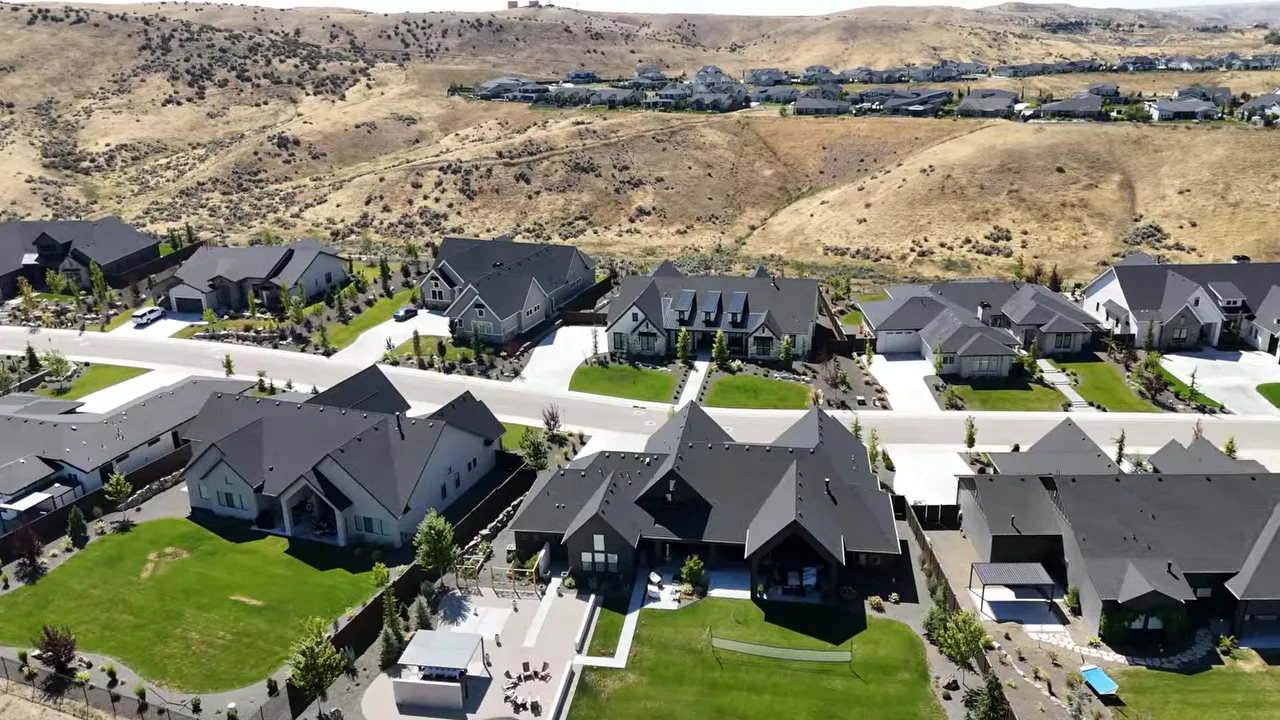
It is tempting to decide quickly, especially when you are dealing with job changes, leases, and school schedules. But another common mistake is skipping the visit.
There is a lot of noise online about Idaho. Some people comment that it is full, or they fear growth will bring crime or damage the place people love. The reality is more nuanced. Even if you see disagreement online, the right decision still comes down to fit.
That is why visiting matters. You want to form your own opinion based on the daily experience you will actually live.
Also, if you move without visiting, you increase the chances of learning the wrong lesson. For example, you might assume food options, events, and day to day culture will match what you enjoyed elsewhere. Maybe your priorities include something as specific as Mexican food quality, which sounds silly until you realize food is part of routine.
If possible, visit at least long enough to:
- Drive the routes you will use regularly.
- Spend time in the areas you are considering, not just pass through.
- Get a feel for traffic patterns and community energy.
- Talk to residents or attend local events if timing allows.
7. 4 Season Weather
Boise has four seasons. That is part of the appeal for many people, but it can also become a culture shock if you are coming from a place with consistently mild weather.
If you are used to places like San Diego where it feels warm almost year round, then the difference matters. Winter is not just about temperature. It affects driving habits, road conditions, and how you plan your mornings.
Do not assume you can drive the same way in snow and ice. You cannot accelerate off a green light like you do on dry roads. You also should not expect everyone else to drive predictably. If you are learning, do it gradually and safely.
That said, winter severity can vary year to year. Some seasons bring little snow. Others bring more. In general, many residents feel winters are less intense than what they experienced in other regions with humid summers and rougher winter conditions.
So the right approach is not to panic about snow. It is to understand that winter is real enough to plan for.
Practical winter planning checklist
- Consider tires appropriate for winter conditions.
- Know what routes you will use and whether they require extra care.
- Plan your schedule for safer driving, especially early mornings.
- If you have kids, think through school and winter pickup routines.
8. Not Connecting to a Professional Real Estate Agent
One of the biggest housing mistakes people make is not having representation when they pursue new construction.
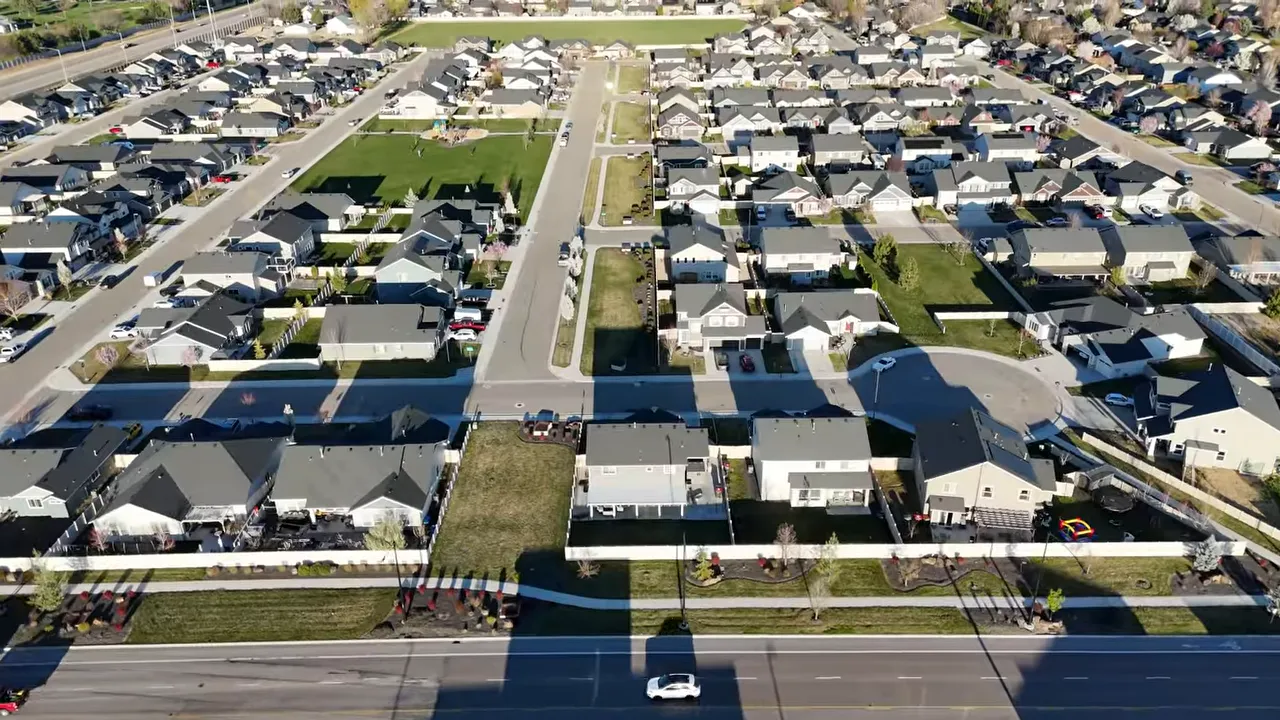
It commonly happens when buyers walk into a model home or reach out to the builder first, then they end up working with the builder’s agent. That builder agent is working for the builder, not for you.
This is how people get misled or stressed even when they feel like they are doing things the right way. New construction can include a lot of paperwork, different builder rules, and contract details that buyers should not have to navigate alone.
In most situations, you can have an agent represent you and the builder typically pays the commission. The big benefit is you get someone who is on your side, focused on your interests and your best outcome.
Builders agents are not “bad.” They just have a different job. Their role is to represent the builder’s side of the transaction.
What to do instead
- Get your representation in place before signing anything.
- Ask what you are being advised on and why.
- Make sure your agent is reviewing key terms and helping you understand the timeline and responsibilities.
9. Overestimating the Distance Between Cities
Many people underestimate how a “short distance” can feel long once you add real life commuting patterns.
It is easy to hear, “Star is only 30 minutes away,” or “Middleton is only 35 or 40 minutes away,” and assume that is the whole story. Traffic changes the story.
In Boise, traffic is not typically in the same category as massive metro areas where commutes can blow out by an hour or more. But it still adds time. During weekday peak times, you can expect extra minutes in the morning around 8:00 to 9:00 a.m. and increases again when leaving the Boise area around 4:00 to 5:00 p.m.
On weekends, traffic often eases. Congestion shows up most on popular roads like Eagle Road and in areas with lots of activity such as downtown Boise, where events, restaurants, and nightlife naturally increase traffic.
So do not base your decision solely on distance on a map. Base it on commute reality.
A better way to judge neighborhoods
- Check commute times at the hours you will actually travel.
- Compare routes with and without traffic.
- Test your route as a “normal day” drive, not just a midday trip.
10. Hesitating to Make the Move
The final mistake sounds simple, but it is one of the most expensive ones. Hesitating to make the move.
If you want to do it, do it. The market moves quickly, and opportunities do not always stick around. Even when the area is growing steadily, specific listings, pricing windows, and timing benefits can change faster than you think.
That does not mean rushing blindly. It means aligning your next steps: decide, plan, and move forward while the best options are still available.
If you are serious, you should book time to map out your personal situation. Your move plan should include budget readiness, neighborhood selection, job planning if needed, and a clear timeline for home buying or relocation logistics.
FAQs About Moving to Boise., Idaho
What are the best areas to consider when moving to Boise
Boise is not the only option. Many people consider Meridian for a family friendly suburban feel, while other nearby towns like Mountain Home or Emmett can fit a more rural lifestyle. The best choice depends on what your daily priorities are.
Is moving to Boise still affordable compared to other states
Housing prices have risen, and Boise is not the low cost market people sometimes expect. However, utilities can be relatively affordable, and everyday expenses like groceries and gas may also feel manageable. Your affordability will depend heavily on where you are coming from and what home price range you are targeting.
Should I tour new construction homes before choosing a community
Yes. New construction is common and can offer features like one year warranties and master planned amenities. But you should still tour, ask questions, review contract details, and plan around inventory and pricing. Representation is especially important for new builds.
How bad is Boise winter for people relocating from warm climates
Winter can be a culture shock if you are coming from consistently mild weather. Idaho has four seasons, and driving conditions matter. Winters vary year to year, but you should plan for snow and ice driving habits.
Do I need to worry about commute traffic between Boise and nearby cities
You should. Even when distances seem short, traffic during weekday peak hours can add extra time. Check commute times at the hours you will actually travel and test the routes you will use.
What is the biggest mistake people make when buying new construction
The most common mistake is skipping your own representation and relying on the builder’s agent. Builder agents represent the builder’s interests, so buyers benefit from having an agent working for them to navigate paperwork, rules, and contract terms.
How do I avoid hesitating when moving to Boise
Create a decision timeline. Get your budget and next steps lined up so you can act when the right home or opportunity appears. Avoid waiting for “perfect timing” because the market can change quickly.