Moving To Boise in 2026: Southeast Boise Growth and Real Affordability Check
Moving To Boise in 2026 is still appealing, but it is no longer the same “cheap and easy” story people remember. The state of Boise right now is a mix of real momentum and real friction: major employers expanding, new neighborhoods being planned, and housing costs that do not always match what residents are earning.
Here is the practical breakdown, Southeast Boise first, then a straight affordability check using both market-style research and real household bill math.
Table of Contents
- Quick context: why Southeast Boise is suddenly the center of the conversation
- Where Southeast Boise is and why it is so desirable
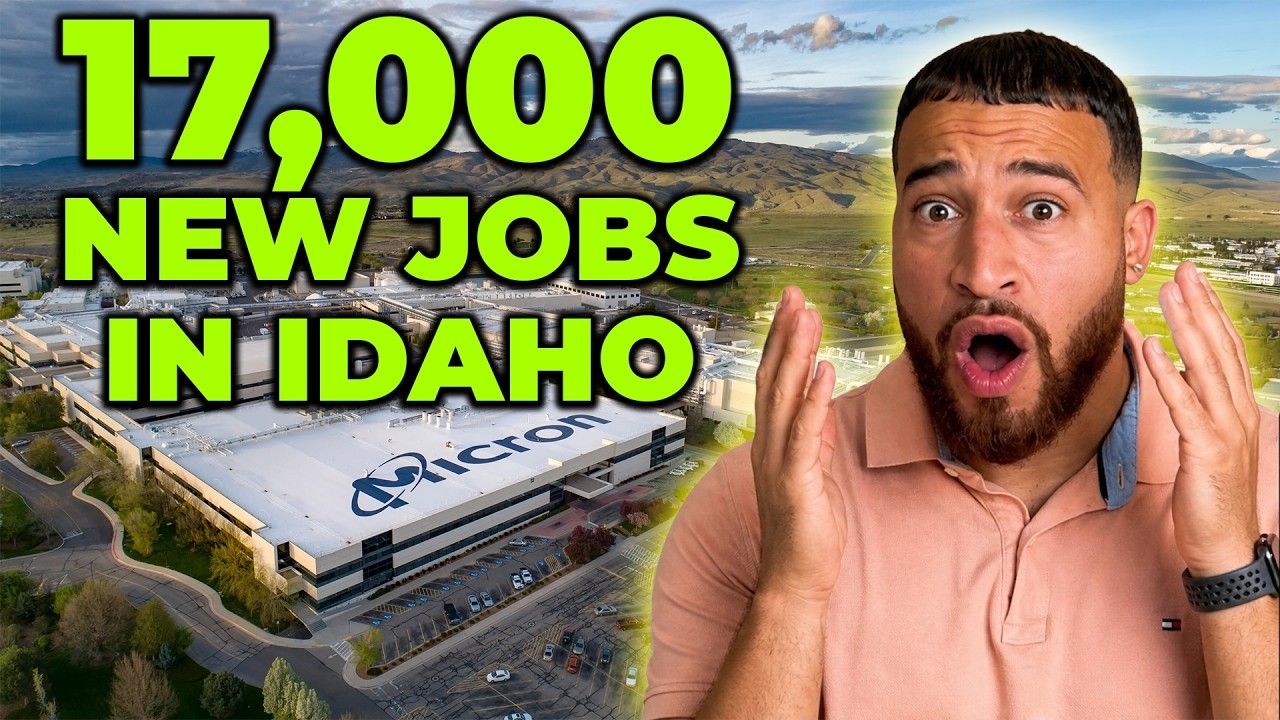
- What is driving the next wave of growth: Micron at massive scale
- The planning push: three future neighborhoods tied to Micron and Boise’s spread
- How fast does this need to happen and what that means for buyers
- Development impacts you are likely to feel: prices, traffic, and lifestyle
- Affordability in 2026: what the numbers say, and what they might miss
- A real household affordability snapshot: utilities, gas, water, and food habits
- So is Boise still affordable in 2026?
- Practical tips for people Moving To Boise (especially Southeast Boise seekers)
- FAQ
- Final Thoughts
Quick context: why Southeast Boise is suddenly the center of the conversation
Boise has been growing steadily ever since the COVID boom started. The pace may have shifted at times, but people are still moving. If they are not moving directly into Boise, they are usually moving into the surrounding places that connect to it, like Meridian, Eagle, Kuna, Nampa, Caldwell, and other Treasure Valley communities.
That matters because Boise growth is not only happening “within city limits.” It is spreading outward. And the locations most people prioritize are the ones that keep them close to what they care about: downtown access, the airport, parks and the Greenbelt, and easy reach to the foothills.
Where Southeast Boise is and why it is so desirable
Southeast Boise is the area next to Barber Park. It has dining, parks, and the Greenbelt running through the region. You also have access to the foothills, which is a huge part of the lifestyle appeal in Boise.
And for relocators, it stays convenient in a way that is hard to beat. Southeast Boise sits near:
- Barber Park and nearby parks
- the Boise Greenbelt
- Lucky Peak State Park and the general recreation corridor
- the foothills
- the airport
- Boise State University and downtown access
The bottom line is this: if you want to be “in the middle of everything” without giving up the outdoor lifestyle, Southeast Boise is one of the most targeted areas.
What is driving the next wave of growth: Micron at massive scale
The catalyst is the Micron development. The scale is hard to fully picture until you see it in person. The numbers being discussed include:
- 600,000 square feet(for a major building component)
- estimated cost around $15 billion
When something like that comes online, it changes everything around it. It brings major investment and job growth, which is great. But it also creates pressure in three areas that often collide:
- housing demand
- local price expectations
- traffic and infrastructure load
A lot of people feel the friction when they look at housing prices and compare them to what wages and salaries are actually paying locally. That does not mean housing will never become attainable, but it does explain why Moving To Boise in 2026 feels like a different challenge than it did a few years ago.
The planning push: three future neighborhoods tied to Micron and Boise’s spread
The area being discussed is essentially a set of “target zones” extending from the Boise airport south toward Kuna, and wrapping around the new Micron campus. The goal is to guide development as the city grows into what is already becoming inevitable.
In the planning discussion, three areas come up repeatedly:
South Airport
South Airport is described as a potential industrial hub that could support and connect with the Micron area, and it sits close to the National Guard base area known as Genfield.
The reason this zone makes sense for industrial development is obvious: it is positioned for logistics and job-adjacent growth.
But it is not just “land and build” though. Two major infrastructure constraints are part of the conversation:
- Ada County Highway District would need to realign Orchid Street
- Lake Hazel Road would need to be extended
The concern raised is that if those infrastructure items take priority away from other projects, it creates political and planning pushback. In other words, the plan may be strong, but execution depends on road and district priorities.
Third Bench
Third Bench is positioned differently. Compared to South Airport, it is more open space with sagebrush and rolling hills. The idea here is not as straightforward as “build industrial.” Instead, Third Bench could become a recreation-focused growth area.
The interesting part: it is described as a place where the city someday could market development into Boise’s southern growth. It may also offer opportunities for trails and similar recreation access for residents closer to South Boise.
What to take from this zone is the message that some parts of the plan are not finalized. Third Bench is partly about vision, partly about feasibility, and partly about how the city wants to balance growth with quality-of-life.
East Columbia
East Columbia sits on the other side of I-84, immediately east of Micron. In the discussion, it is presented as one of the areas that would not be surprising if approvals follow through.
East Columbia is often the type of location that appeals to developers because it offers direct proximity while still separating certain impacts by geography and zoning.
How fast does this need to happen and what that means for buyers
A key point in the discussion is timeline. The planning push is described as a year-long effort that could take longer in reality to fully realize, potentially even years or decades depending on infrastructure and housing delivery. But the approach could be folded into the next comprehensive plan, or incorporated sooner through a faster process.
Mayor Lauren McClean is referenced emphasizing that if they are going to do this, they have to do it fast. The surprising framing is that in the world of city planning, a “12-month” timeframe is considered fast.
For buyers and renters, this matters because planning affects:
- housing supply timing
- cost of land
- neighborhood desirability
- traffic patterns
Even if you personally do not love the idea of growth, the planning timeline affects when the next supply wave arrives. If supply lags, prices tend to stay firm longer. If supply ramps faster, you might start seeing more choice.
Development impacts you are likely to feel: prices, traffic, and lifestyle
Growth is not one switch. It shows up in multiple ways at the same time.
1) Home prices and demand pressure
With Micron and a steady influx of new residents, housing demand increases quickly. At the same time, wage growth often does not rise as fast. That is the “friction” people feel when they try to buy.
The discussion points out a typical comparison many relocators struggle with: homes that once seemed “within reach” at certain prices and sizes are no longer priced the same way.
2) Traffic and congestion expectations
If a large employer expansion brings more commutes, congestion tends to worsen before it improves. Even if new roads or mitigations come later, the early impact is often noticeable.
The expectation is that traffic to Micron could get “a little worse” compared to current conditions. That does not mean Boise becomes unlivable. It means your daily routine may shift, especially if your commute does not align with where supply builds.
3) Lifestyle changes, including recreation tradeoffs
Boise’s recreation identity is a huge selling point. Areas like Southeast Boise are popular partly because they keep you near parks and trail options.
As growth continues, those recreation areas become even more important. The planning discussion reflects a desire to preserve opportunities in zones like Third Bench.
Affordability in 2026: what the numbers say, and what they might miss
This is where Moving To Boise in 2026 gets real. A lot of people want “hard numbers,” not headlines.
The affordability reference used is salary.com, comparing Boise cost of living to the national average in 2026. The headline points discussed include:
- Housing costs presented as 23.5 percent lower at $917 per month for a single person
- Housing costs presented as $1,682 per month for a family of four
And then the immediate reaction is important: the discussion expresses doubt that these housing numbers match day-to-day reality, especially for people trying to rent. The belief is that salary.com may be undercutting what people actually experience in Boise right now.
The same source also suggests monthly estimates like:
- Food around $254 monthly(the reaction is that this seems too low)
- Energy around $156 monthly(this seems more plausible)
- Transportation around $467 monthly
- Healthcare around $305 monthly
The core takeaway is not “ignore the data.” It is “use the data, but sanity-check it against real life.”
Why relocating from California feels different
One part of the cost comparison that is strongly agreed with is how Boise compares to high-cost states. In the discussion, examples include:
- California presented as having a 76 percent deficit in comparison to Boise
- New York presented as 63 percent
- Miami presented around 9 percent(with the belief it may be different in practice)
So yes, Boise can still be cheaper than places like the Bay Area. But “cheaper than California” does not automatically mean “affordable enough for everyone in 2026,” especially when Boise housing has been compressed by demand.
A real household affordability snapshot: utilities, gas, water, and food habits
Instead of relying only on averages, the discussion also walks through personal bills to show what day-to-day costs can look like.
The household described lives in Meridian, Idaho. It includes:
- 4 bed, 3 bath
- 3,510 square feet
- Household includes two people plus two dogs
- People over frequently
- Home built in 2006
This is not a perfect “family of four” match, but it gives a reality check on utilities and recurring costs.
Gas bill (Meridian): typically in the $60 to $180 range, with winter usage driving spikes
The gas total shown as of March 2, 2026 is $125.85, down from a previous balance of $165. The range described over time is roughly:
- as low as about $60
- as high as about $180
The explanation is that the fireplace is used more in colder months, and in summer the gas use is lower.
Electric power bill: around $225 for the last month in the example
For the same house, power for the last month is shown around $225. The discussion also notes that there can be different “tiers” or charges, including non-summer energy charges.
Combined, gas plus power ends up around $350 for the months shown.
Water bill: around $60 in the example months
Water totals shown are about $60. The conclusion from the example is that utilities overall are roughly:
- $300 to $350 per month for utilities
Food costs: a mix of eating out and meal prep
The household estimate for food is:
- $250 per week or more when eating out, especially because they prefer nicer dining
They also meal prep heavily for convenience. They buy about 25 containers of meal prep. The estimated grocery spend for that meal prep and protein is around:
- $200 for meal prep groceries
For a family of four, the assumption is grocery totals might rise to $350 to $400, depending on how much kids eat.
Gas for the car: around $3 per gallon, with Costco helping
Gas is described at about $3 per gallon(with the note that prices fluctuate). The household also credits Costco for savings.
Gym membership: about $60 per month per person, with an upgrade planned
Gym cost is listed as about:
- $60 per month per person
They plan to upgrade to “Lifetime,” with the described pricing around:
- $369 per month
The reasoning is lifestyle value, including amenities like red light therapy, cold plunges, saunas, and additional spaces like pickleball courts and a pool area.
So is Boise still affordable in 2026?
The most honest answer is: Boise can still make sense, but affordability is more nuanced than “Boise is cheaper than everywhere else.”
Moving To Boise in 2026 likely works best if you:
- know which costs will hit you hardest (usually housing)
- plan for utility and lifestyle budgeting rather than assuming averages are “your” numbers
- understand that growth from major employers can tighten the market
- expect traffic patterns to evolve as development accelerates
And it helps to keep an attitude mindset. One philosophy mentioned is to embrace the suck or enjoy the suck, meaning: accept growth friction as part of the process rather than fighting it every day.
Practical tips for people Moving To Boise (especially Southeast Boise seekers)
- Benchmark housing against your real income
Do not rely on national averages. Compare payment estimates to what you actually bring in monthly after taxes.
- Account for timing
If your move aligns with new employer phases, expect a tighter market. If you can plan a little earlier or later, you may gain leverage.
- Think beyond the purchase price
Utilities, groceries, commuting time, and lifestyle costs all shape affordability.
- Consider the neighborhood advantages
Southeast Boise is desirable because of proximity to downtown, the airport, parks, and the Greenbelt. That desirability usually shows up in pricing.
FAQ
Is Southeast Boise still a smart area to target in 2026
It is one of the most desirable locations for access to parks, the Greenbelt, downtown, the airport, and the foothills. The main tradeoff is that demand and growth can pressure prices. If your budget is realistic and your commute priorities align, it remains a strong target.
What is the biggest affordability challenge when Moving To Boise
Housing. Even if Boise is cheaper than many other states, the local market can still feel expensive when demand spikes. Utility and food can be managed, but housing is usually the hardest constraint.
Does Micron automatically make traffic worse for everyone
It likely increases congestion in the short to mid term because more employees means more commutes. Over time, road planning and behavioral shifts can help, but early impacts are often noticeable.
How should I use cost of living calculators without getting misled
Use them as directional guidance, then sanity-check housing and food against what you can actually rent or buy for. In the example discussed, the calculator housing estimate felt low compared to day-to-day expectations.
Is moving from California to Boise still a financial upgrade
Often yes. The comparison referenced suggests California costs can be dramatically higher than Boise. The important adjustment is to still verify that the Boise housing you want is affordable on your income in 2026.
What should I track in the Southeast Boise development plans
Watch housing capacity analysis, infrastructure commitments (roads and highway district priorities), and the order in which neighborhood zones become build-ready. Those details influence when supply increases and how quickly quality-of-life changes show up.
Final Thoughts
Southeast Boise growth is real, and it is tied to Micron’s massive footprint. The planning zones for South Airport, Third Bench, and East Columbia show that Boise is trying to shape the next phase instead of just reacting to it.
Affordability in 2026 can still be achievable, but you have to budget for the realities, especially housing. If you move with a clear payment target, sanity-check estimates with real household costs, and understand traffic and lifestyle tradeoffs, Moving To Boise can still feel like an upgrade, not a gamble.
The Eissa Group
A dedicated Realtor and Founder of The Eissa Group! Recognized as one of the top-producing agents in the state in 2023, 2024 and 2025 Naseem and his team at The Eissa Group have been recognized year over year as a top producing powerhouse real estate team!

Recent Posts