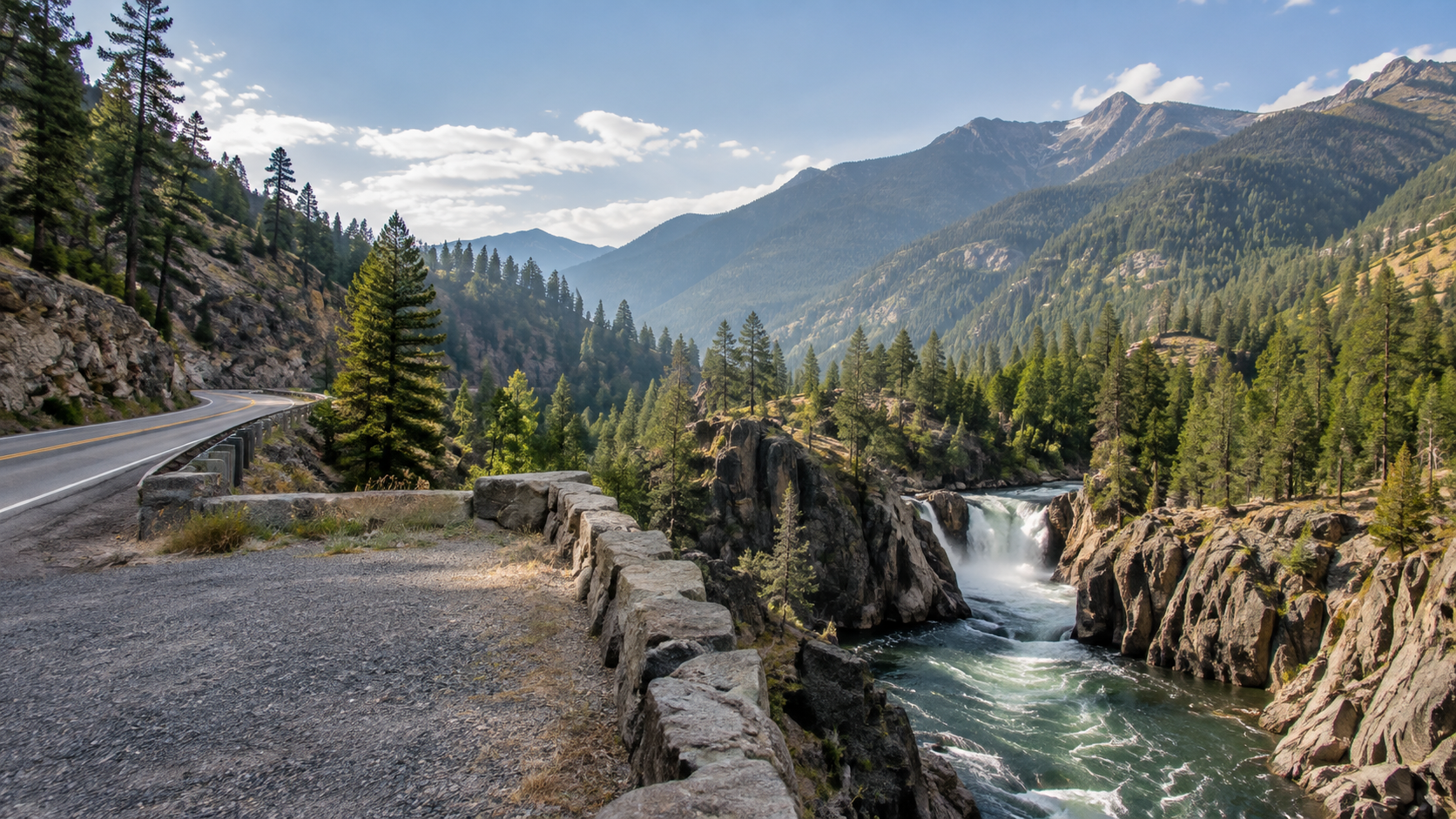
If you are weighing the pros and cons of living in Mountain Home, Idaho, especially because of a PCS to Mountain Home Air Force Base, you need the real version. Not the polished version where every small town is automatically peaceful, affordable, and perfect.
Mountain Home can be an awesome place to land. I got stationed here in 2017, spent my full six-year active-duty Air Force career here in ground transportation with the Logistics Readiness Squadron, and have also experienced life here as a civilian since separating. That gives me a pretty honest perspective on what works, what can be tough, and why so many people end up staying.
For anyone moving to Mountain Home, Idaho, the biggest adjustment is understanding that this is not a major city duty station. It is a small community with a slower pace, incredible access to Idaho outdoor recreation, more attainable home prices than Boise, and some very real limitations around housing inventory, schools, healthcare, and social opportunities.
The Small-Town Reality Of Living In Mountain Home
The first thing to understand about the pros and cons of living in Mountain Home, Idaho is that the town has a genuinely small-town feel. Mountain Home is about 15 minutes from the installation, and the population is under 20,000 people. That affects just about everything: entertainment, shopping, housing choices, school selection, healthcare access, and how easy it is to meet people.
If you are coming from a larger duty station, you may be used to being surrounded by restaurants, retail, and endless things to do. Mountain Home is not that. You are not going to have a Target, Costco, Chipotle, or every big-city convenience right around the corner.
For more shopping, dining, and city amenities, plenty of people head toward Boise or Meridian. From the installation, that is generally around 45 minutes to an hour depending on where you are going. Some families decide to live in the Boise area because they want more options. Others would rather keep their commute shorter and enjoy the lower cost of Mountain Home.
Neither choice is wrong. It really comes down to what lifestyle matters most to you. The pros and cons of living in Mountain Home, Idaho are very different for a person who loves quiet, open space, and outdoors time than for somebody who needs city energy every weekend.
Loneliness And Community In Mountain Home
Let’s talk about the part that catches a lot of people off guard: loneliness. This is one of the biggest cons in the pros and cons of living in Mountain Home, Idaho, especially for younger Airmen, spouses, stay-at-home parents, and families arriving without an established support system.
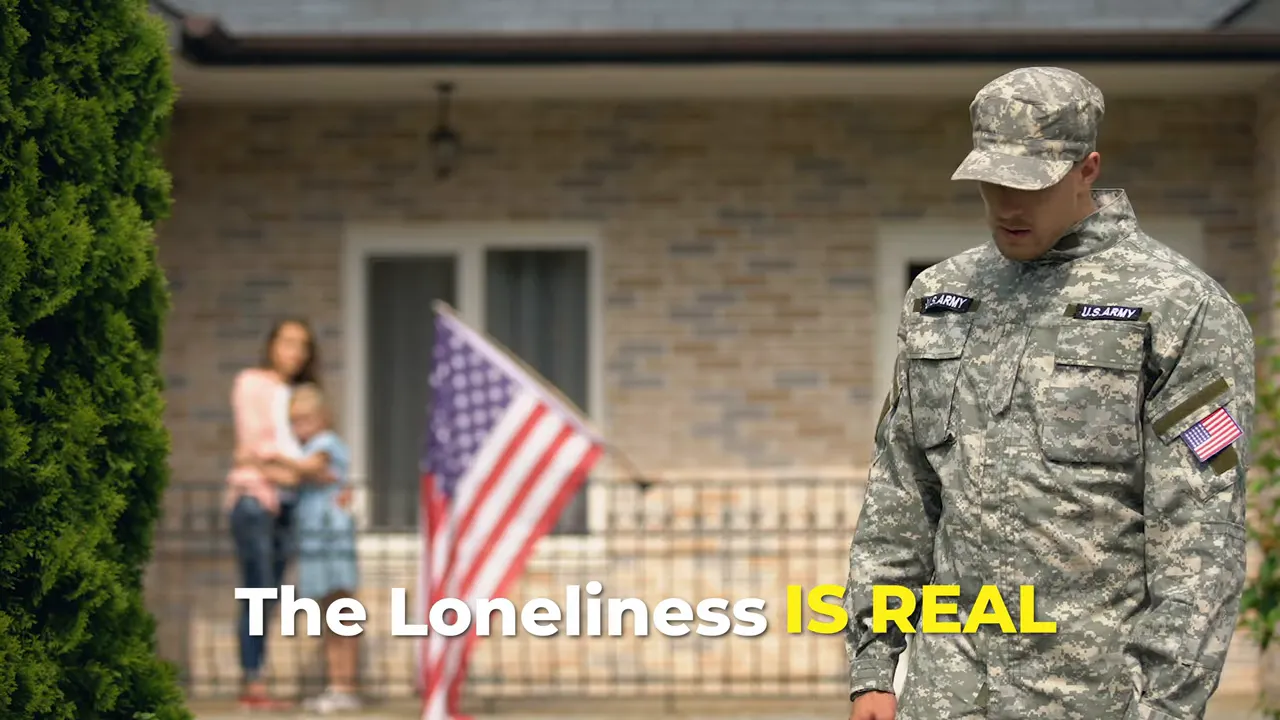
It is not that there is no community here. There absolutely is one. The challenge is that it can take effort to find it. If you live on base, move into a neighborhood, go to work, and go straight home every day, it can be hard to build friendships. This is even more true if you are introverted or if the people in your shop do not share your interests.
PCS moves are a major transition. A lot of military members are young and leaving home for the first time. Families may be leaving grandparents, lifelong friends, and routines behind. Then they arrive in a small town where they do not know anyone yet. That can feel heavy fast.
The good news is that Mountain Home does have good people. The key is putting yourself out there a little. Find people who have kids around your kids’ ages. Connect with people who share your hobbies. Meet up with other families, sports fans, gym people, outdoor people, gamers, or whoever your crowd is. Community is here, but you have to be willing to go find it.
That is one of the hidden pros within the pros and cons of living in Mountain Home, Idaho. Once you find your people, the relationships can become much deeper than they would in a giant city where everybody is always moving in different directions.
Housing Options And Prices Near Mountain Home AFB
Housing is probably the biggest practical consideration for anyone moving to Mountain Home, Idaho. The challenge is inventory. Mountain Home is a smaller market, so there simply are not endless homes to choose from at every price point.
At the time of this discussion, there were fewer than 100 active homes on the market. That does not mean there are zero options. You may find a three-bedroom, two-bath home, new construction, or something that fits your needs. But you should not expect dozens of nearly identical homes to compare.
Being selective is important, but being prepared is just as important. If you have a specific budget, desired lot size, preferred neighborhood, or need a certain number of bedrooms, understand that the available inventory may be limited when you arrive.
Now, here is the upside. One of the major pros is the price point compared with Boise and Meridian. The median home price discussed for Mountain Home was around $365,000, while Boise was around $650,000.
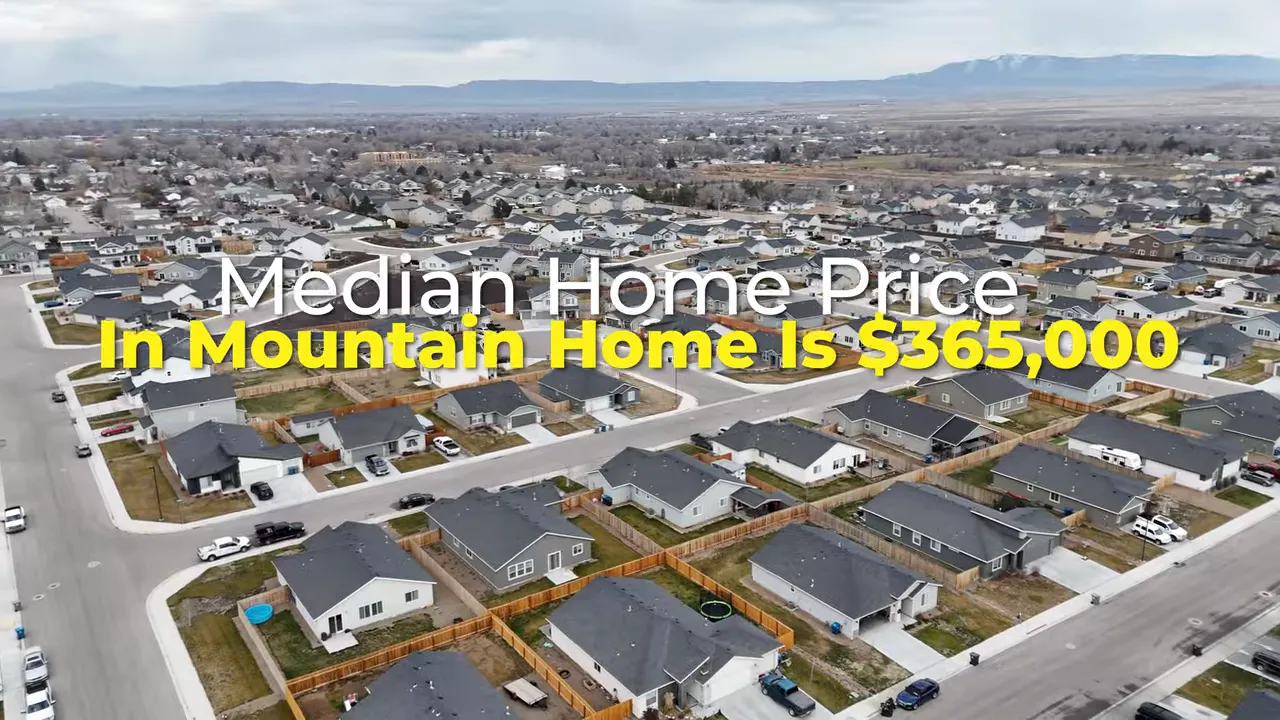
That price difference can be huge for a military family or anyone looking to buy. In many cases, a similar home in the Boise area can cost another $150,000 to $200,000 depending on the location and property. Mountain Home can offer significantly more home for the money, even though the choices may be narrower.
Choosing Between Mountain Home And The Boise Area
- Mountain Home: Lower home prices, a shorter commute to the base, small-town pace, and limited inventory.
- Boise or Meridian: More shopping, more housing choices, more city amenities, and a longer commute to Mountain Home AFB.
- New construction: Popular in the area, but still subject to limited availability depending on timing and price point.
This is where the pros and cons of living in Mountain Home, Idaho become personal. If affordability and proximity to the base are your top priorities, Mountain Home can make a ton of sense. If having more retail, restaurants, schools, and healthcare options matters more, the Boise area may be worth the drive.
Four Season Weather And Outdoor Living
Idaho weather is another major part of the pros and cons of living in Mountain Home, Idaho. You get all four seasons here. For some people, that is one of the best things about the area. For others, especially people who have never lived with snow and winter driving, it can be an adjustment.
Winter brings cold temperatures, snow, and the need to be comfortable driving in winter conditions. If you are coming from somewhere warm, the change can affect your routine and your quality of life. You have to plan around the weather, dress for it, and get used to snow being a real part of life.
Then summer comes around, and it can get hot. Temperatures can reach the 90s and sometimes into triple digits. But when the weather is nice, Idaho is hard to beat.
This is where Mountain Home shines. You have access to floating the river, whitewater rafting, camping, fishing, hunting, and plenty of outdoor activities. In the winter, there are opportunities for skiing, snowboarding, snowmobiling, and getting out into the snow.
If you are outdoorsy, this is a huge win in the pros and cons of living in Mountain Home, Idaho. Idaho offers activities throughout the year, and people who enjoy spending time outside tend to love what this state has to offer. If outdoor recreation is not your thing, though, the slower pace and weather extremes may feel more limiting.
Schools And Healthcare Options For Families
For families, schools and healthcare need to be part of the conversation before moving to Mountain Home, Idaho. Mountain Home does not have a huge number of schools to choose from. There are options on base and off base depending on where you live, but the selection is more limited than in a larger metro area.
That does not automatically make the schools a bad fit. It simply means families should do their homework based on their own needs. School preferences are personal, especially when you are considering academics, activities, athletics, special programs, and your child’s individual situation.
Healthcare is another important consideration in the pros and cons of living in Mountain Home, Idaho. The local area has fewer options than Boise and surrounding communities. Some people choose to live closer to Boise because they want broader access to healthcare providers, specialists, school options, or competitive athletics.
Before committing to a home, take time to research the areas that matter to your family. Look at school information, ratings, available programs, crime data, and healthcare access. Do not base a decision solely on somebody else’s experience because every household has different priorities.
What Mountain Home AFB Is Really Like
For active-duty members, the base itself is a major factor in the pros and cons of living in Mountain Home, Idaho. The questions usually sound similar: What does the base offer? What is the operational tempo like? Does it feel isolated? Is there a sense of community?
Mountain Home AFB is an F-15 base, so operations can get busier when things are happening overseas. That is just the reality of being connected to the mission. But during more normal periods, Mountain Home has a reputation for being a slower, more relaxed training base.
That can be a major positive. A slower tempo can give people more breathing room, more predictable time with their significant others, and less of that constant feeling that deployment or tasking is right around the corner. Of course, military life is military life, and needs can always change, but many people consider this a very solid assignment.
The base community can be a real strength too. The people are a big reason many service members decide to stay in Idaho after separating or retiring. The friendships built here can become a second family, especially after putting in the effort to connect beyond work.
For military members, the pros and cons of living in Mountain Home, Idaho often come down to this: it may not have the excitement of an overseas assignment or a huge city, but it can offer a more relaxed base experience, strong friendships, attainable housing, and access to an incredible outdoor lifestyle.
Who Mountain Home Is Best For
The pros and cons of living in Mountain Home, Idaho make the most sense when you are honest about your lifestyle. This place is not trying to be Boise, San Antonio, Italy, or Korea. It is Mountain Home. It has its own rhythm.
Mountain Home may be a great fit if you value:
- A quieter small-town lifestyle
- Lower home prices than Boise and Meridian
- A shorter commute to Mountain Home AFB
- Outdoor recreation in every season
- A potentially slower operational pace
- Building close relationships in a smaller community
It may be harder if you need:
- Big-city shopping and entertainment close by
- A wide variety of housing inventory
- Many school and healthcare choices nearby
- Constant social activity without having to seek it out
- Warm weather year-round
At the end of the day, the pros and cons of living in Mountain Home, Idaho are not about whether the area is universally good or bad. They are about fit. I came here from California wondering where Idaho even was, and I ended up loving it enough to stay. A lot of military families have the same experience. They arrive expecting a temporary assignment, then realize they have found a place with good people, clean surroundings, room to breathe, and a lifestyle that works for them.
If you’re PCSing to Mountain Home (or already planning your move), I can help you make the process a lot easier especially when it comes to finding the right home with limited inventory. Reach out anytime and tell me what you’re looking for, I’ll point you in the right direction. For fastest help, call or text 208-996-3142.
Frequently Asked Questions About Mountain Home
Is Mountain Home, Idaho a good place to live near the Air Force base?
Mountain Home can be a great place to live for people who enjoy a quiet small-town environment, lower housing prices than Boise, a shorter commute to Mountain Home AFB, and access to outdoor recreation. The tradeoff is fewer local shopping, housing, school, and healthcare options.
What are the biggest pros and cons of living in Mountain Home, Idaho?
The biggest benefits are comparatively lower home prices, access to Idaho outdoor activities, a close-knit community, and a potentially slower base tempo. The main challenges are limited housing inventory, possible loneliness after a PCS, four-season weather, and fewer schools and healthcare choices than the Boise area.
How far is Mountain Home from Boise?
Boise and Meridian are generally around 45 minutes to an hour from Mountain Home Air Force Base, depending on the destination and travel conditions. Many people make the drive for shopping, restaurants, healthcare, and broader city amenities.
Is housing more affordable in Mountain Home than Boise?
Yes, the housing price point discussed for Mountain Home was substantially lower than Boise. Mountain Home had a median home price around $365,000 compared with around $650,000 in Boise, although available homes in Mountain Home can be limited.
What is the weather like in Mountain Home, Idaho?
Mountain Home experiences four seasons. Winters can be cold and snowy, while summers can reach the 90s and occasionally triple digits. The seasonal variety supports warm-weather activities like rafting and fishing, along with winter activities like skiing, snowboarding, and snowmobiling.
Should families consider Boise or Meridian instead of Mountain Home?
Families who want more school choices, healthcare access, retail, dining, and city amenities may prefer Boise or Meridian. Families focused on affordability, a shorter commute to Mountain Home AFB, and small-town living may prefer Mountain Home. The best choice depends on your household priorities.
Read More: Moving to Idaho: Which Boise Area City Fits Your Lifestyle Best?