Moving to Idaho is a big decision, and there is no shortage of opinions online. Idaho now has more than 2 million residents, which is a massive change from where things were a decade ago. With that growth has come a lot of great stuff, a lot of development, and honestly, plenty of bad information too.
We have experienced Idaho from both sides. We started out at Mountain Home Air Force Base in 2017, where the small-town and rural lifestyle is very real. Later, we spent time in Meridian and around Boise, where daily life looks completely different. If we are considering moving to Idaho, it is important to understand that the state can give us very different lifestyles depending on where we land.
Boise is not San Antonio, Denver, San Diego, or any major metro like that. It is still a smaller city, but the Treasure Valley gives us more options than people expect. We can lean rural, suburban, city-adjacent, outdoorsy, family-focused, or military-connected without necessarily having to leave the region.
Key Takeaways
- Idaho offers rural, suburban, city-adjacent, and military-connected lifestyles across the Treasure Valley.
- Home prices can be high, but utilities and property taxes may be lower than in many relocation markets.
- Outdoor access is a major benefit, while smoke, winter driving, dry heat, and allergies require preparation.
- Fast growth is bringing more amenities while changing formerly rural parts of Meridian and nearby communities.
Table of Contents
- Moving to Idaho Means Choosing the Right Lifestyle
- Growth Is Real, Even in Areas That Used to Feel Rural
- The People and Community Feel Different Here
- Moving to Idaho Can Turn Us Into Outdoor People
- The Biggest Catch: Home Prices
- Utilities and Property Taxes Can Help Balance the Budget
- Weather Is a Real Part of Moving to Idaho
- Is Moving to Idaho Still Worth It?
Moving to Idaho Means Choosing the Right Lifestyle
One of the best things about moving to Idaho is the range of lifestyles available. The experience in Mountain Home is dramatically different from the experience in Meridian, Boise, Eagle, Nampa, Kuna, or Middleton.
Mountain Home can feel very small, especially for someone relocating from a larger city. The area works well for people connected to Mountain Home Air Force Base, including active-duty military families, veterans, and retirees who want to stay close to the base. But if we want dense shopping, lots of dining choices, and suburbs packed with new development, we will likely feel more at home closer to Boise and Meridian.
Meridian and the surrounding Boise area offer more day-to-day conveniences, while Boise still feels much smaller than the major cities many people are leaving. That balance is a big reason moving to Idaho appeals to people coming from places like California, Arizona, Chicago, Kansas, San Antonio, and even overseas.
The key is getting honest about what matters most to us. Do we want more land and farmland nearby? Do we need a shorter commute? Do we want a more established community, newer construction, access to the base, or a neighborhood with restaurants and stores close by? Idaho has options, but they are not all interchangeable.
Growth Is Real, Even in Areas That Used to Feel Rural
There is no getting around it. Idaho has changed fast. People who built homes in what felt like the middle of nowhere are now surrounded by new neighborhoods, commercial development, restaurants, and major retail.
Ten Mile in Meridian is a perfect example. In only a couple of years, the area has seen Chick-fil-A, Dutch Bros, Churro Bros, and Habit Burger & Grill either arrive or move toward development. And there is even more coming through the planned Super Village, a major shopping destination expected to bring a Target, another Lifetime Fitness location, and additional retail.
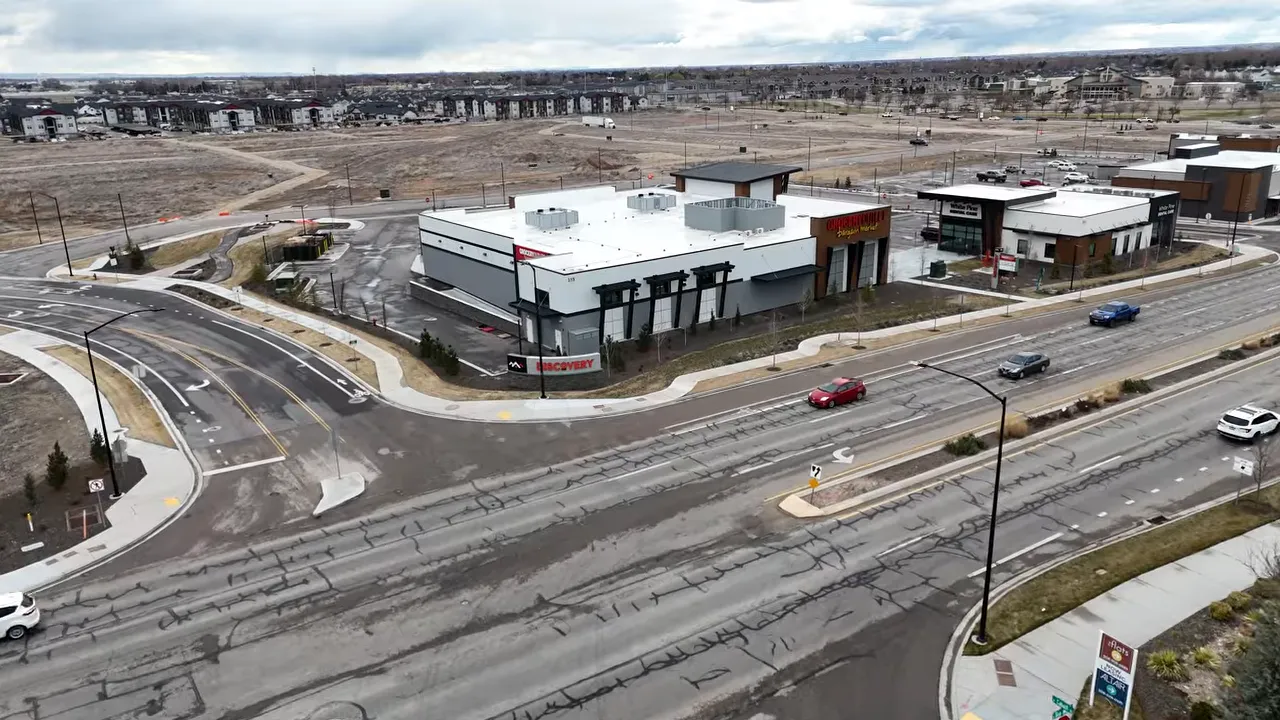
The original Village is already known as a major shopping destination, and the Super Village shows just how much the region is expanding. For people moving to Idaho, that is both a benefit and a reality check. We may get more convenience than expected, but the rural character of some areas is shifting toward suburbia.
Growth does not automatically mean an area loses everything people love about Idaho. But it does mean we should not assume that an open field beside a neighborhood will stay an open field forever. If rural space is a non-negotiable priority, we need to look carefully at the location, surrounding land, and future development patterns before buying.
The People and Community Feel Different Here
For many of us, the people are what make moving to Idaho stick. The friendliness, manners, casual thank-yous, and willingness to say hello can be a genuine adjustment if we are coming from a fast-paced metro area.
Idaho has all kinds of people. We may meet longtime locals, military families, newcomers, ranching families, professionals, retirees, and people who moved here for the same reasons we are considering it. In smaller communities, people may know their neighbors and seemingly everybody else in town. In the Boise area, there is more variety, but that community-minded energy is still there.
There are cultural differences to get used to. Some people are more direct, more social, and more comfortable with handshakes or hugs than we may be used to. Idaho also has visible gun ownership, which can be new for people relocating from places with different norms. It is not about calling those differences good or bad. It is about recognizing that moving to Idaho means entering a place with its own personality.
For us, the community was a major reason to stay. The Air Force community in Mountain Home helped us grow up fast and made a real impression. As we met more people, our appreciation for the area kept growing.
Moving to Idaho Can Turn Us Into Outdoor People
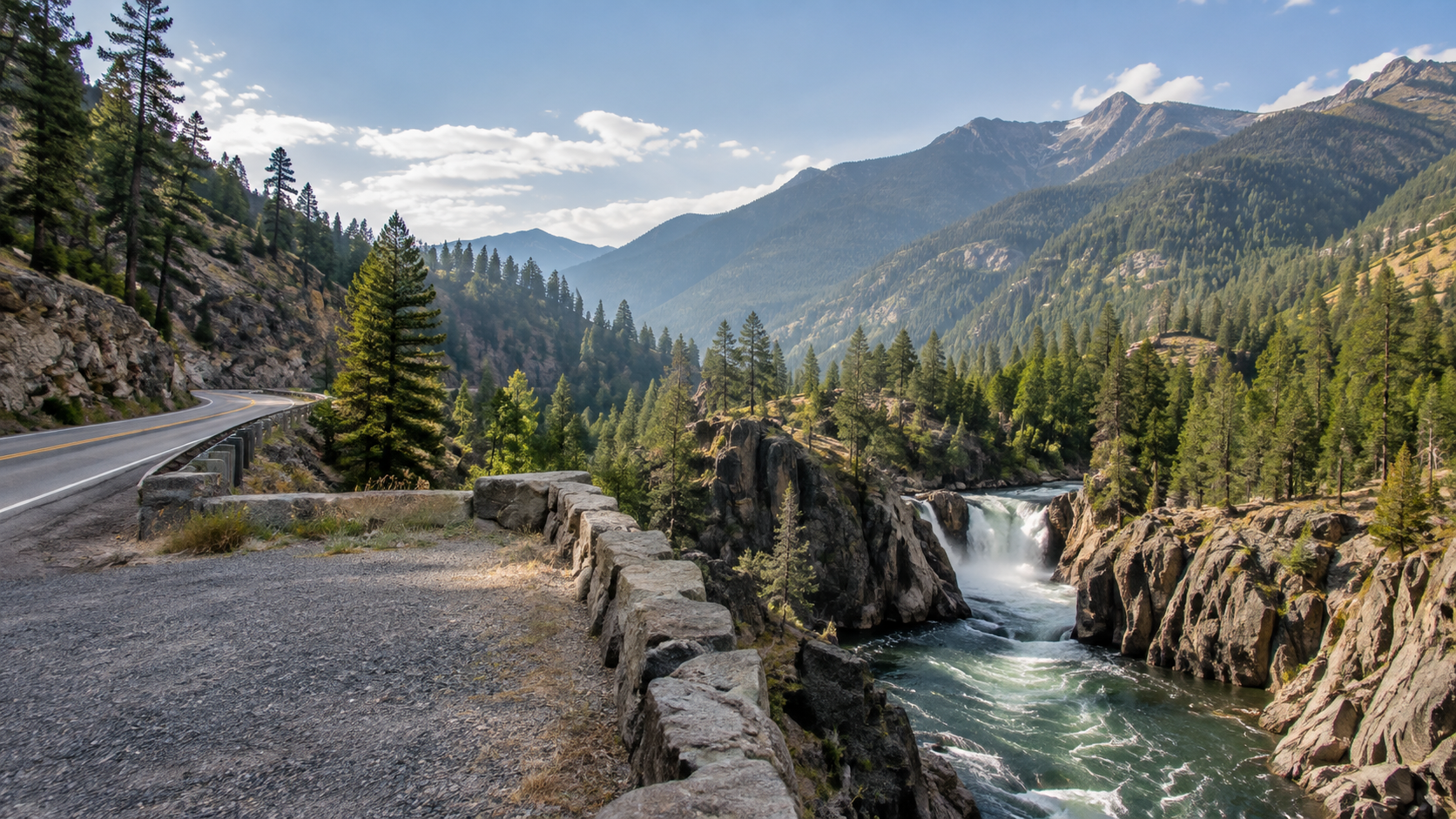
We do not have to arrive as a camping, fishing, snowboarding, mountain-loving person to enjoy Idaho. A lot of us become more outdoorsy simply because everything is right there and the people around us actually use it.
That can mean snowboarding in winter, floating a river during summer, fishing, camping, visiting hot springs, exploring reservoirs, or heading into the mountains for a weekend. Even if we are more workaholic than funaholic at first, Idaho has a way of getting us outside eventually.
For people who already love the outdoors, the lifestyle is even more obvious. It is common to see someone finish work on a Friday afternoon and head straight toward the mountains or a reservoir for the weekend. Then they are back at work Monday morning like nothing happened.
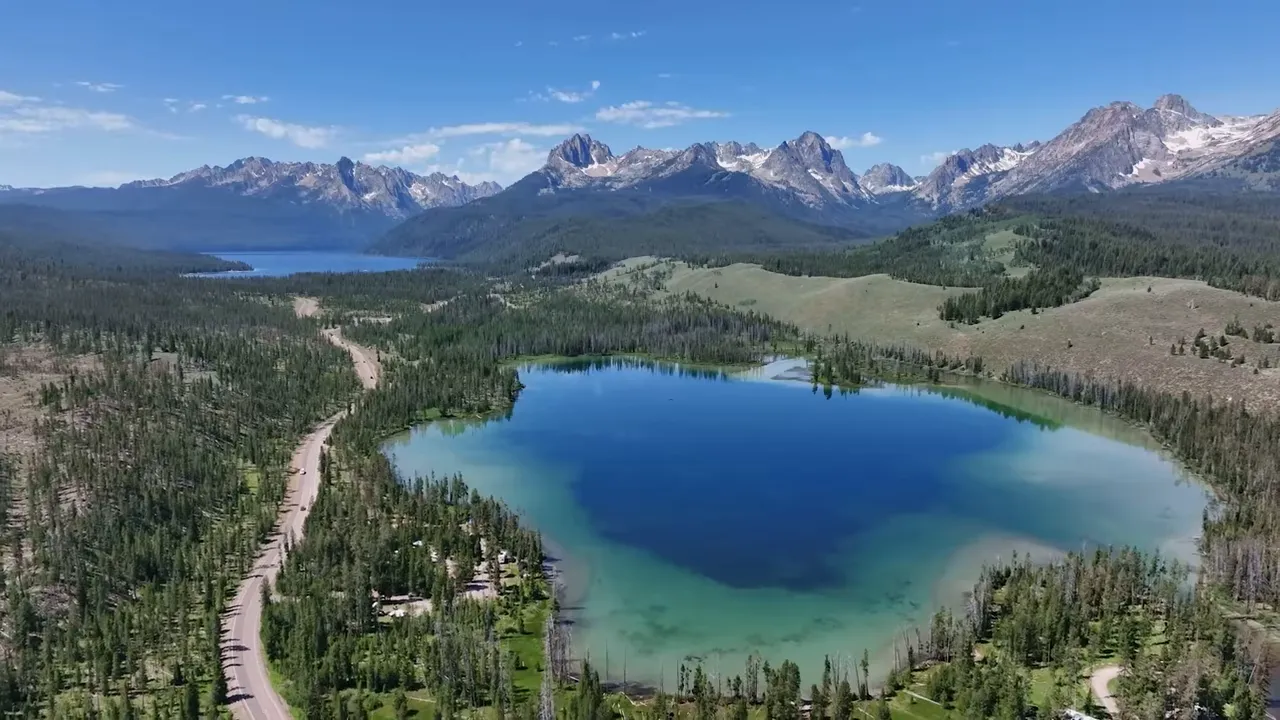
That access is one of the biggest strengths of moving to Idaho. We do not need every activity to be our thing. We just need to appreciate having options nearby when we want to break up the routine.
The Biggest Catch: Home Prices
Housing is the biggest thing that can push people away from moving to Idaho. The cost of purchasing a home is on the higher end, especially compared with what some people still expect Idaho to cost.
There is a wide range across the Treasure Valley. At the price points discussed here, Boise has a median home price around $650,000. Eagle generally sits in the high $900,000s to around $1 million. Meridian is in the low $600,000s, while Nampa and Kuna fall roughly in the high $400,000s to low $500,000s.
Those numbers are why moving to Idaho needs to be a location-first decision, not just a state-level decision. Eagle may work for someone who wants a higher-end lifestyle. Middleton may appeal to someone looking for a more rural feel and more flexibility around farmland. Mountain Home can make sense for those wanting access to the Air Force Base.
We need to compare the housing budget against the lifestyle we are actually trying to build. A cheaper home farther out may mean a different commute, fewer nearby amenities, or a more rural daily routine. A higher-priced home closer to Boise or Meridian may offer the convenience that makes the move worthwhile for our family.
Utilities and Property Taxes Can Help Balance the Budget
While home prices can surprise people moving to Idaho, the general cost of keeping a home running can feel much more manageable than in other states. Water bills may land around $60 to $80, though a large lot that needs frequent watering can push that closer to $120.
Electricity may run around $100 to $150 on a hot day. One family relocating from Arizona had been paying around $500 just for electricity. After moving, their total household utilities were around $300, excluding internet. That can be a big adjustment in the right direction.
Property taxes are also significantly lower than in many other markets. So no, it is not necessarily expensive to live here in every way. The more honest way to put it is this: buying the home may cost more than expected, but ongoing utilities and property taxes can be much more favorable.
Weather Is a Real Part of Moving to Idaho
Weather and seasonal changes are one of the final major considerations when moving to Idaho. We get four seasons. That means winter, dry heat, allergy season, and occasional smoke conditions all need to be part of the conversation.
Smoke can be serious. During a stretch of regional wildfire smoke, air quality became the worst in the country for a couple of weeks. Ash was visible on vehicles, some people wore masks, others stayed home, and air filters became a real necessity. Smoke events are not something to ignore when planning a move.
Then there is winter. For people who have never lived through a true winter season, it takes some mental preparation. Idaho also has lower humidity, so summer heat feels drier than it does in humid regions. Allergies may affect some people differently as well.
None of these seasonal factors automatically make Idaho a bad fit. We have not seen people leave solely because of seasonal changes or allergies. But moving to Idaho goes more smoothly when we prepare for them rather than treating them like a surprise.
Driving Safely Through Idaho Winters
The biggest winter rule is simple: do not speed. All-wheel drive can help, but it does not give us permission to slam the gas and drive like road conditions do not exist. That is where a lot of accidents happen.
We need to slow down, give ourselves more time, and understand that winter driving requires a different mindset. The vehicle matters, but driving behavior matters more.
Is Moving to Idaho Still Worth It?
Overall, moving to Idaho can absolutely be worth it if the lifestyle matches what we want. Idaho offers a home for people coming from farm and ranch life, smaller communities, military backgrounds, or bigger cities looking for something different.
We will not get every big-city amenity. That is just the truth. But we get enough convenience in the Treasure Valley to handle day-to-day life, along with access to community, outdoor recreation, and a pace that many people prefer.
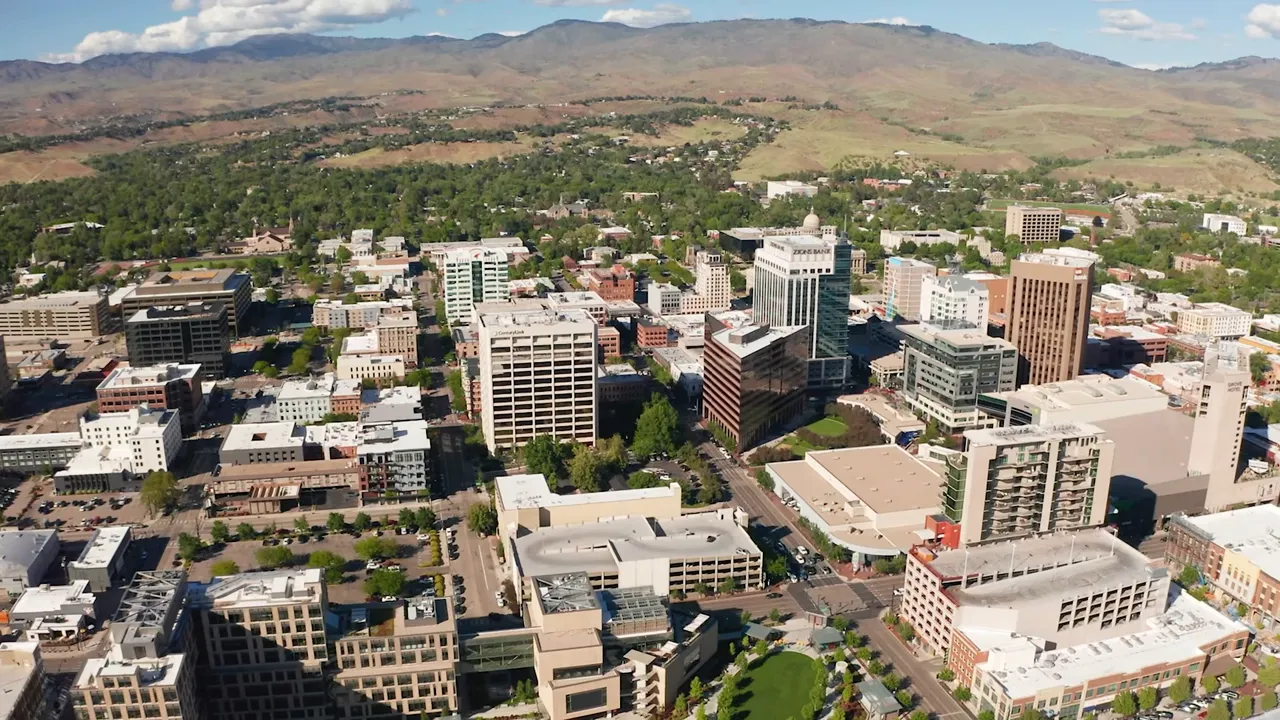
The best move is to visit, spend time in the specific areas we are considering, tour neighborhoods, and build a game plan based on our budget, work, family, and preferred lifestyle. Moving to Idaho is not one experience. It is dozens of different experiences across one quickly changing state.
If we approach moving to Idaho with clear expectations about growth, prices, weather, and the local culture, we give ourselves a much better chance of landing somewhere that truly feels like home.
|
Frequently Asked Questions About Moving to Idaho
Is moving to Idaho expensive?
Buying a home can be expensive, particularly in Boise, Eagle, and Meridian. However, water, electricity, and property taxes can be significantly lower than in many states, which may help balance the overall monthly budget.
What are the most affordable areas mentioned for moving to Idaho?
Among the Treasure Valley locations discussed, Nampa and Kuna generally have lower price points than Boise, Eagle, and Meridian. The right choice still depends on commuting needs, desired amenities, and whether we want a rural or suburban setting.
What should we know about Idaho winters?
Idaho has four-season weather, including winter conditions that may be unfamiliar to newcomers. An all-wheel-drive vehicle can help, but the most important safety practice is slowing down and not speeding on winter roads.
Does Idaho have good outdoor recreation?
Yes. Snowboarding, river floating, fishing, camping, hot springs, mountain trips, and reservoir weekends are all part of the lifestyle many people enjoy after moving to Idaho.