Table of Contents
- Introduction
- Top Pros and Cons of Living in Boise, Idaho at a Glance
- Pro 1: Outdoor Recreation and Scenery in Boise
- Con 1: Construction, Potholes, and Road Work in Boise
- Pro 2: Four-Season Activities in Boise
- Con 2: Traffic and Growth in Boise
- Pro 3: Community, Events, and Safety in Boise
- Con 3: Housing Market and Inventory in Boise
- Pro 4: Strong school districts and options
- Con 4: Weather Unpredictability in Boise
- Pro 5: Low Everyday Cost of Living and Tax Perks in Boise
- Con 5: Wages and Entry-Level Pay in Boise
- How to Decide Where to Live in Boise and the Treasure Valley
- FAQs
- Final Thoughts
Introduction
Thinking through the pros and cons of living in Boise, Idaho means weighing big lifestyle wins against growing pains. This guide lays out the most common advantages and drawbacks people experience here, plus practical tips for choosing the right neighborhood in the Treasure Valley.
Top Pros and Cons of Living in Boise, Idaho at a Glance
PROS
- Outdoor recreation and scenery — easy access to trails, parks, rivers, and nearby mountains.
- Community feel — lots of local events, friendly neighborhoods, and family-friendly spaces.
- Strong schools — reputable public, private, and charter options, plus homeschooling communities.
- Four-season activities — from summer lake days to winter skiing.
- Low everyday costs — affordable utilities, reasonable taxes, and a homeowner exemption that reduces assessed value.
CONS
- Persistent construction — potholes, gravel, and constant road projects.
- Rising traffic — longer commutes in peak hours due to rapid growth.
- Higher home prices — inventory pressure has driven median prices up.
- Weather swings — four seasons means both hot summers and potentially icy winters.
- Lower entry-level wages — some starter jobs pay less compared with coastal metros.

Pro 1: Outdoor Recreation and Scenery in Boise
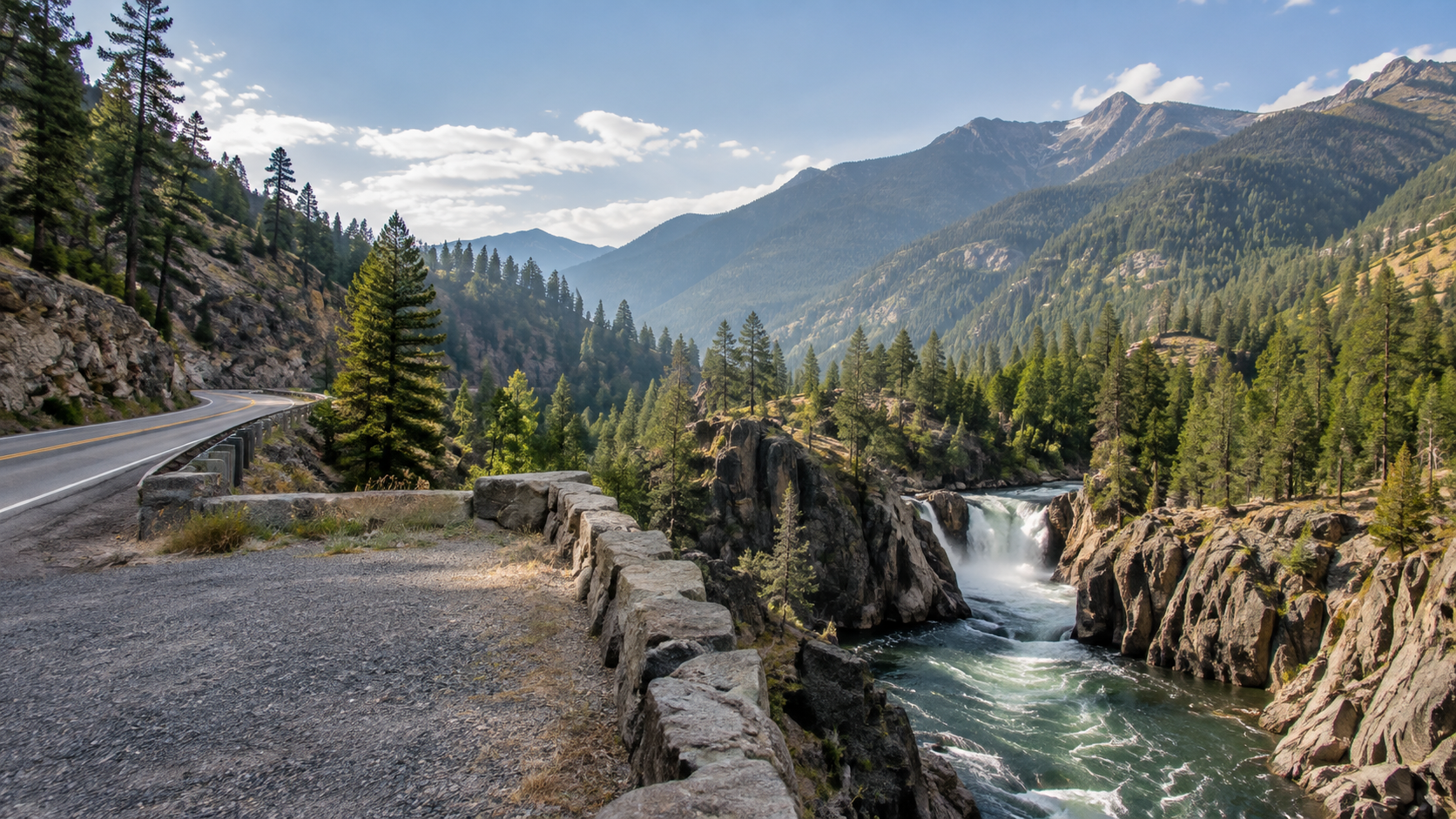
One of the most convincing reasons people move here is the immediate access to outdoor life. Parks, river paths, hiking trails, and nearby mountain recreation are all part of daily living.
Whether you want a short walk with your dog, weekend hikes, fishing trips, or summer days at a lake, the options are plentiful. The city parks are active with pickleball courts, tennis courts, cornhole, community softball, and wide green spaces for families.
What that feels like day to day: you can be in a neighborhood with calm streets and still be ten minutes from a trailhead or a community event on any given weekend. That accessibility is a huge pro when weighing the pros and cons of living in Boise, Idaho.
Con 1: Construction, Potholes, and Road Work in Boise
Rapid growth brings road projects. Expect ongoing construction, temporary gravel roads, resurfacing, and potholes. These projects are the visible side of growth: new subdivisions, widened roads, and infrastructure work.
Practical consequences include windshields chipped by kicked-up stones, flat tires after hitting potholes, and detours that add a few minutes to commutes. If steady, clean streets are a priority, plan for a learning curve while infrastructure catches up with growth.
Pro 2: Four-Season Activities in Boise
Four-season weather is both a pro and a con depending on your perspective. On the upside, it means real winter sports and rich seasonal variety: skiing, snowboarding, snow tubing, and crisp fall weekends.
Summers can be hot, but they are dry and perfect for lakes, river floats, and outdoor festivals. The variety of activities is a major quality-of-life benefit and ranks high among the pros and cons of living in Boise, Idaho for active people and families.
Con 2: Traffic and Growth in Boise
Growth has increased traffic in specific hotspots, especially around Interstate 84 during morning and evening rush hours. Typical delays have shifted from average 15 to 20-minute drives to closer to 25 minutes in many corridors.
Traffic is not gridlock like in major metros, but peak times and certain stretches are noticeably busier. If you commute daily, pick a neighborhood with commute patterns that match your schedule, or consider flexible start times and alternative routes.
Pro 3: Community, Events, and Safety in Boise
The area has a small-town feel in many neighborhoods. Regular faces at parks, community festivals, and local meetups create easy opportunities to connect.
Annual events like hot-air balloon festivals, neighborhood bar nights, outdoor concerts, and niche meetups — from dachshund reunions to sports fan groups — give people lots of ways to plug in. Families value the safety and friendliness that come up repeatedly when people consider the pros and cons of living in Boise, Idaho.
Con 3: Housing Market and Inventory in Boise
The housing market has been active. Inventory is lower than it used to be, which pushed median prices upward. Recent figures put the median price point higher than last year; this is an important con for buyers who hoped for bargains.
On the flip side, buyer incentives pop up as markets cycle. Price drops, motivated sellers, and concessions like closing cost assistance or interest rate buy-downs tend to appear seasonally. If you plan ahead, a scouting trip and a solid neighborhood shortlist help you move quickly and confidently when the right listing appears.
Pro 4: Strong School Districts and Options in Boise
For families, the school situation is a major pro. West Ada County and the Boise School District are consistently well-regarded. In addition to standard public options, there are private schools, charter programs, and active homeschooling communities.
Programs for academically and athletically talented children are readily available, so families with specific needs tend to find good fits. That educational flexibility is among the most cited pros and cons of living in Boise, Idaho.
Con 4: Weather Unpredictability in Boise
Idaho weather is so bipolar. You just never know what you're going to get.
Seasons can shift dramatically. Winters sometimes bring severe storms and icy roads; other years are unusually mild. Summers can hit low 100s, and spring and fall often fluctuate between warm afternoons and chilly mornings.
If you have limited experience driving on snow or handling icy conditions, prepare for a learning curve. That variability is why weather is often listed as a con when people discuss the pros and cons of living in Boise, Idaho.
Pro 5: Low Everyday Cost of Living and Tax Perks in Boise
Outside of housing, day-to-day costs are a strong pro. Utility bills tend to be lower than many West Coast metros. Examples include modest gas, electric, and water bills in many homes.
Idaho also offers a homeowner exemption on assessed value for primary residences that can translate to meaningful property tax savings. Lower state income taxes and affordable gas prices add up across a year. For many families and renters, this combination is one of the clearest advantages in the pros and cons of living in Boise, Idaho.
Con 5: Wages and Entry-Level Pay in Boise
Average wages for entry-level positions can lag behind coastal metros. While the economy is growing — with expansions in healthcare, retail, and technology — entry-level roles often pay less than people from higher-cost areas expect.
That said, employers are gradually raising pay in many sectors, and a growing roster of national franchises and local businesses means more opportunities. Consider total compensation and career growth potential, not just starting pay, when weighing this con against the other pros and cons of living in Boise, Idaho.
How to Decide Where to Live in Boise and the Treasure Valley
Choosing a neighborhood comes down to priorities. Use a short checklist:
- Commute tolerance: How long are you willing to sit in the car each day?
- Housing type: Do you prefer a downtown condo, a suburban yard, or a country property?
- Schools: Which districts or programs are a fit for your children?
- Community: Do you want frequent events and social activities or a quieter neighborhood?
- Budget: Factor in median home prices and everyday savings like utilities and taxes.
Plan a scouting trip to see neighborhoods in person. Walk parks, check commute times during your expected hours, and visit local restaurants. Bringing a list of must-haves will help you spot the right match quickly.

FAQs
What are the most important pros and cons of living in Boise, Idaho to consider before moving?
Outdoor recreation, community safety, quality schools, and lower everyday costs are major pros. Key cons include ongoing construction, rising traffic, a competitive housing market, inconsistent weather, and lower entry-level wages.
Is the housing market affordable in Boise right now?
Housing prices have climbed compared with last year and median values are higher than past averages. Inventory is improving in cycles, and seasonal opportunities exist. Plan a scouting trip and be prepared to act when you find a good match.
How bad is traffic compared with larger cities?
Traffic is busier than in past years, especially on Interstate 84 during peak hours, but it is not comparable to major metros like Los Angeles. Expect a few extra minutes during rush but not perpetual gridlock.
Are utilities and daily expenses lower in Boise?
Yes. Utilities, gas prices, and certain living costs are generally lower than many West Coast metros. There is also a homeowner exemption that reduces taxable assessed value for primary residences.
How is the job market and wages in Boise?
The job market is growing with opportunities in healthcare, retail, and technology, but entry-level wages can be lower than some coastal cities. Employers are gradually raising pay in many sectors as the economy expands.
How should I prepare for Boise weather?
Be ready for four-season weather. Keep winter gear and a plan for icy driving if you are new to snow. Summers are dry and hot at times, so plan for both extremes throughout the year.
How do I evaluate neighborhoods when considering the pros and cons of living in Boise, Idaho?
Make a priority list that includes commute time, school options, housing type, and budget. Visit neighborhoods during the hours you would normally be there, check local parks and shops, and talk with neighbors to get a sense of community.
Final Thoughts
Balancing the pros and cons of living in Boise, Idaho requires honest reflection on priorities. If outdoor access, community events, strong schools, and lower everyday costs top your list, this region has a lot to offer. If you need guaranteed mild winters, fast-growing urban density, or high starting wages for entry-level roles, some trade-offs apply.
Make decisions based on long-term priorities, not just the immediate market. Visit, take a few neighborhood tours, and compare commute times and school options. That approach will make the pros and cons of living in Boise, Idaho clear for your family.
If you need help buying a home, call or text me at (208) 996-3142, I’m happy to help with showings, neighborhood tours, and the buying process.