Table of Contents
- Introduction
- 1. Lifestyle and Outdoor Living in Boise, Idaho
- 2. Cost of Living and Taxes in Boise
- 3. Housing Market and Home Ownership Outlook for 2026 in Boise
- 4. Safety and Community Feel When Living in Boise, Idaho
- 5. Job Market and Economic Growth in Boise
- 6. Development and Future Growth in Boise
- 7. Education and Schools in Boise, Idaho
- 8. Taxes and Business Environment in Boise
- 9. Vehicle Registration and Local Utilities in Boise
- 10. Weather, Climate, and Seasons in Boise, Idaho
- Pros, Cons, and Final Thoughts on Living in Boise, Idaho
- FAQs
Introduction
Living in Boise, Idaho has shifted from a quiet regional secret to one of the fastest-growing lifestyle and job hubs in the Mountain West. If you are weighing options for relocation in 2026, Boise offers a rare combination: access to big outdoor playgrounds, a compact but lively downtown, and affordability compared with West Coast metros. This guide breaks down the top ten facts you need to know before you decide to move, buy a home, or invest here.
1. Lifestyle and Outdoor Living in Boise, Idaho
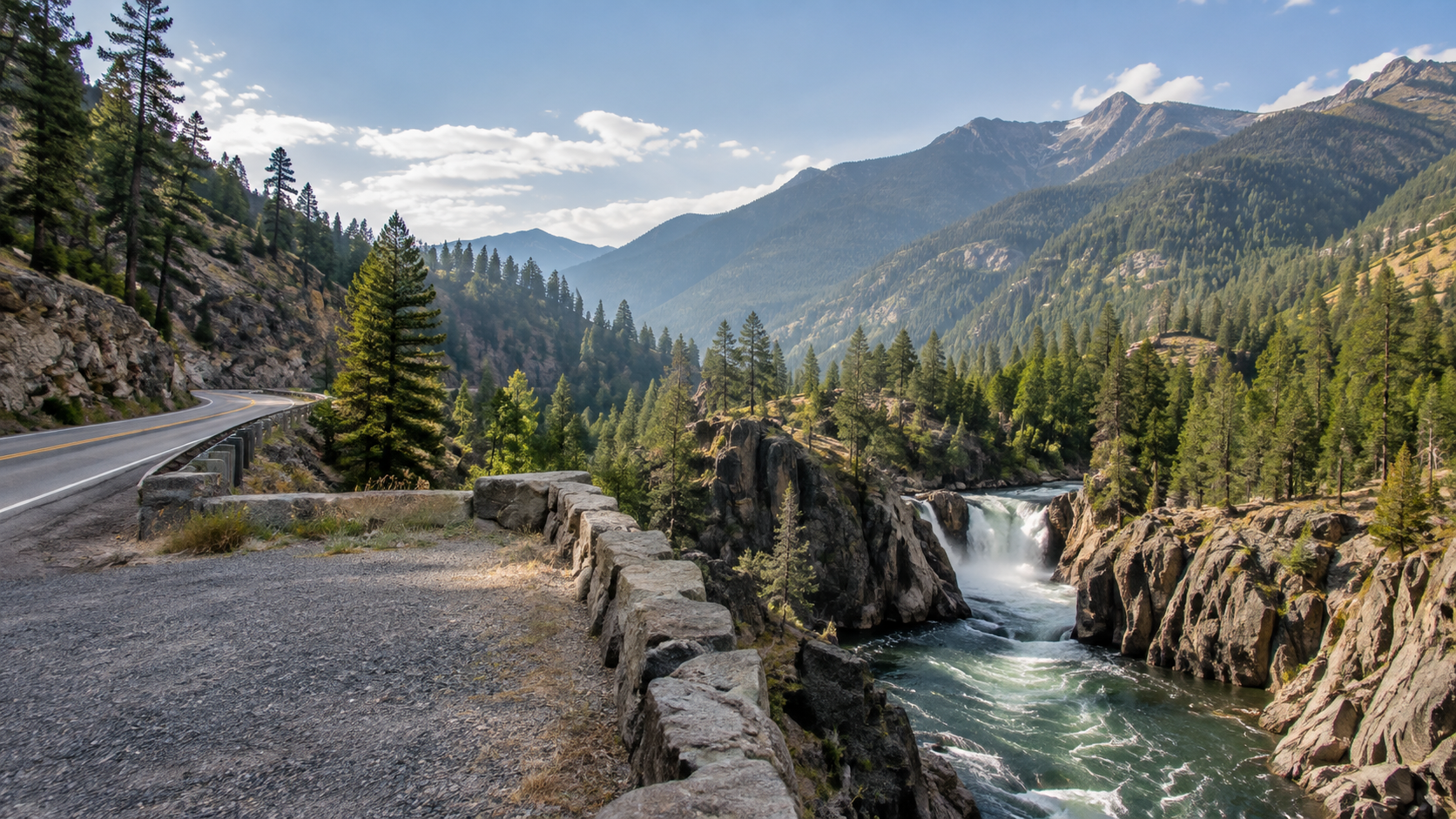
One reason people choose living in Boise, Idaho is the outdoors-first lifestyle. The city supports four distinct seasons: sunny summers, colorful falls, snowy winters and green springs. That variety lets you paddle rivers one weekend and ski Bogus Basin the next. Boise consistently ranks among the fittest cities in the U.S., and it shows in daily life—people walk, bike, and gather at parks, farmer markets, and river access points.
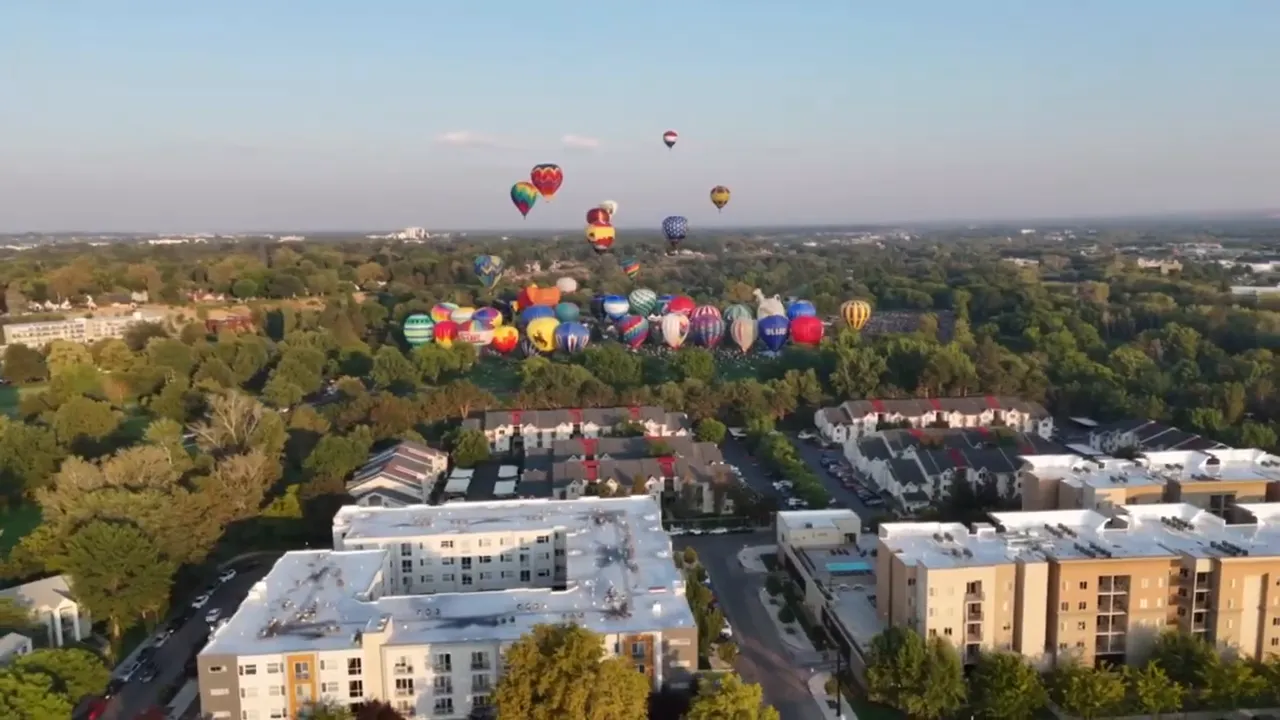
Local events are a major draw. From unique traditions like the New Year’s “potato drop” to hot air balloon fairs and regular food events, there’s always something to do. If you enjoy sampling local restaurants, neighborhoods like downtown Boise and Meridian offer a concentrated scene of indie cafés and growing food concepts.
2. Cost of Living and Taxes in Boise
Compared with California, Oregon, and parts of Washington, living in Boise, Idaho can feel significantly more affordable. Groceries, utilities, and everyday expenses are typically 30 to 45 percent cheaper than major West Coast markets. That difference is why many remote workers or people relocating from expensive metros find Boise a financial relief.
Housing in the Boise area has risen over the last decade, but recent market shifts pushed prices down slightly—around 5 percent in the most recent dip. The Boise proper median sits in the mid 500s, while suburbs vary widely. Eagle commands premium pricing (medians approaching the high 800s to 900s), while outlying areas like Nampa or Caldwell are considerably lower. Property tax rules in Idaho include homeowner exemptions that lower taxable value for primary residences and offer additional exemptions for seniors.
3. Housing Market and Home Ownership Outlook for 2026 in Boise
The housing market here is dynamic. Inventory tends to increase in the fourth quarter and expand in spring, when the majority of moves and new listings hit the market. Expect more new construction options in 2026 as developers respond to demand. At present, many builders offer promotions that can make new construction $30,000 to $40,000 cheaper than resale alternatives, though that can change as demand shifts.
Interest rate movement will also impact demand. If rates soften, prospective buyers who delayed purchases may return, creating increased competition. If you plan to buy, consider whether new construction or resale aligns with your priorities: new builds often mean warranties and modern layouts, while resales might offer mature landscaping and established neighborhoods.
4. Safety and Community Feel When Living in Boise, Idaho
One of the striking aspects of living in Boise, Idaho is the community vibe. Neighbors are friendly, and the culture is generally respectful and welcoming. Many residents feel comfortable leaving doors or garage doors open without concern—an anecdotal sign of perceived low crime levels across many neighborhoods.
Community is built through year-round events, sports leagues, and special interest groups. Whether you join a flag football league, a hiking club, or one of the numerous Facebook groups dedicated to hobbies and relocation, finding your people in Boise is straightforward. That community fabric helps new residents integrate quickly.
5. Job Market and Economic Growth in Boise
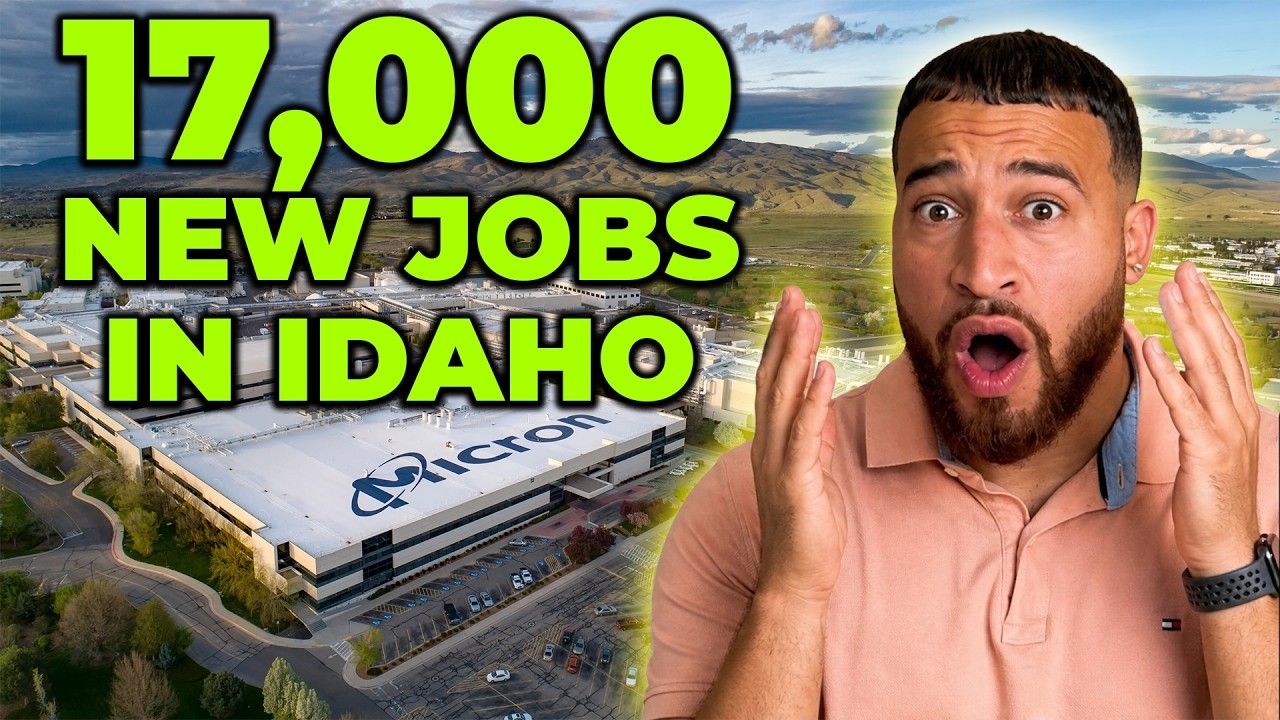
Employment opportunities have expanded beyond traditional industries. Key sectors include tech, healthcare, manufacturing, construction, and education. Major local employers like semiconductor firms, tech companies, and Boise State University anchor the economy. Healthcare systems, including regional hospitals and clinics, also offer many roles.
For entrepreneurs and small business owners, the local retail and restaurant scene is healthy. New franchise entries and thriving mom-and-pop shops both suggest a market open to new concepts. If you run a remote business or are considering relocating while staying with a geographically remote employer, Boise can deliver a higher standard of living for the same paycheck.
6. Development and Future Growth in Boise
Boise’s growth is visible—infrastructure projects, airport expansion, and new commercial development are underway. The airport is undergoing a multi-hundred-million-dollar enlargement to allow more flights and improve passenger services. Road and highway improvements aim to keep pace with population increases.
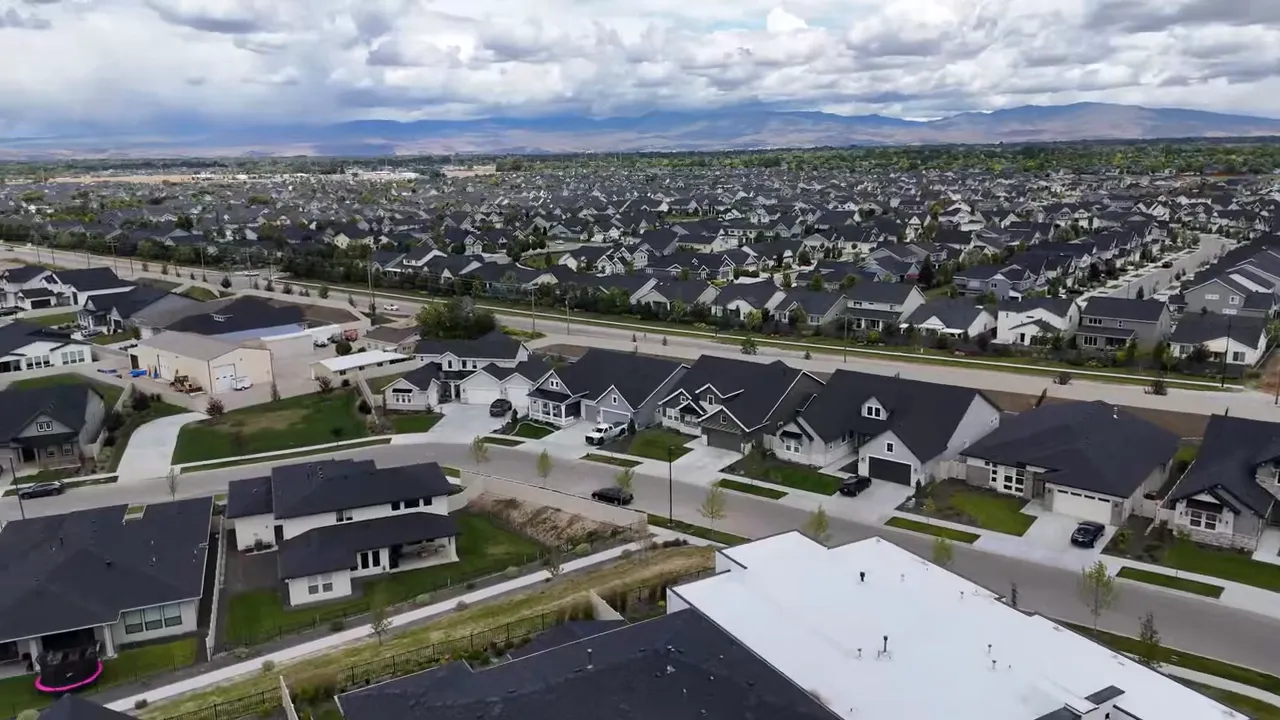
Population growth from 2000 to now is substantial—approaching near 80 to 85 percent growth in the metro area—so expect more neighborhoods, retail centers, and recreational facilities to appear in the coming years. Downtown densification includes taller projects and modern mixed-use buildings that shift the city skyline gradually.
7. Education and Schools in Boise, Idaho
Families considering living in Boise, Idaho will find a variety of schooling options: public, charter, private, and a notable homeschooling community. Strong school districts in Meridian and Northwest Boise, like the West Ada School District, are frequently requested by relocating families because of their academic and extracurricular offerings.
Boise State University adds a vibrant college-town feel to portions of the city with big game days, cultural events, and educational resources. The region offers school choice through charter and magnet programs, and many districts are responsive to parent priorities. Overall, schools provide solid educational opportunities even if per-pupil funding is below some national averages.
8. Taxes and Business Environment in Boise
State taxes matter when evaluating cost of living. Idaho state income tax sits in the mid single digits and sales tax is roughly 6 percent. There are no local income taxes in most places, and the state has generally pro-business policies encouraging startups and small business growth through incentives and a business-friendly regulatory environment.
For entrepreneurs, local networking and social presence are essential. Building relationships through community events and online channels is one of the most effective ways to attract customers and partners in Boise.
9. Vehicle Registration and Local Utilities in Boise
Small daily savings add up. Vehicle registration fees in Idaho are notably lower than many West Coast states—registering a recent model can run a few hundred dollars for two years in many cases. Compared with states like California, you can expect substantial savings on recurring costs like registration and some utilities.
Utilities and grocery costs also tend to be lower here, contributing to overall affordability. If you are relocating from an expensive metro, those differences quickly create discretionary income for travel, outdoor adventures, or home improvements.
10. Weather, Climate, and Seasons in Boise, Idaho
The climate is one of the most talked-about aspects of living in Boise, Idaho. Summers are warm and sunny with regular days in the 70s to low 90s, and occasional brief stretches into triple digits. Fall brings cool mornings and comfortable afternoons. Winters are variable—some years bring heavy snowfall and others only light dustings. Average annual snowfall is about 18 inches but rarely falls all at once in the valley.
Seasonal factors to consider include spring pollen and periodic summer wildfire smoke, which can affect air quality for short periods. If you have respiratory concerns, plan for those seasonal shifts and look at neighborhoods closer to higher elevations or with good indoor-air options.
Pros, Cons, and Final Thoughts on Living in Boise, Idaho
Pros
- Active outdoor lifestyle with easy access to skiing, rafting, hiking, and fishing.
- Strong community with low crime in many neighborhoods and abundant local groups.
- Growing economy with opportunities in tech, healthcare, manufacturing, and education.
- Affordability compared with major West Coast metros on groceries, utilities, and vehicle registration.
- Pro-business environment and visible investments in airport and infrastructure.
Cons
- Rapid growth creating pressure on infrastructure and future traffic increases.
- Limited late-night nightlife outside downtown Boise compared with larger cities.
- Seasonal wildfire smoke and pollen can affect air quality for sensitive people.
- Housing affordability has tightened compared with past years, especially in popular suburbs.
Overall, living in Boise, Idaho in 2026 offers a balanced lifestyle: outdoor options and community feel with growing job and business opportunities. For people relocating from higher-cost metros, the difference in daily expenses often translates to a better quality of life. For locals, the balance between growth and preserving local character is the central conversation heading into 2026.
FAQs
What neighborhoods are best for families when living in Boise, Idaho?
Neighborhoods in Meridian, Northwest Boise, and areas served by the West Ada School District are popular for families due to strong schools, parks, and family-oriented amenities. Eagle is desirable but more expensive. Consider commute times, school boundaries, and access to parks when choosing a neighborhood.
How much should I expect to pay for a median home when living in Boise, Idaho?
The median price in Boise proper typically sits in the mid 500s. Suburbs vary: Eagle often reaches higher medians near the 900s, while cities further out like Nampa and Caldwell can be significantly lower. New construction promotions can sometimes make new homes more affordable than resale options at certain times.
Are there good job opportunities for tech and healthcare professionals?
Yes. Tech, healthcare, manufacturing, and construction are among the fastest-growing employment sectors. Major employers and a growing startup scene make Boise a viable choice for both corporate and small-business job seekers.
How bad are wildfires and pollen when living in Boise, Idaho?
Wildfire smoke affects the valley mainly during hot, dry summers and can cause temporary drops in air quality. Spring brings high pollen counts that affect those with allergies. Both are seasonal; working near higher elevations or using air filtration systems at home can help mitigate effects.
Is public transportation good enough to live without a car?
Boise has public transportation options, but many residents rely on cars for commuting and daily errands, especially outside central Boise. Living car-free is possible in downtown and some neighborhoods but less practical for many suburban commutes.
How can I find community groups quickly after moving?
Search local Facebook groups, Meetup, and community event calendars for interest-based groups—sports leagues, hobby groups, and neighborhood associations are common and active. Attending local markets, parks, and community events is also an effective way to meet people.